


Sewage sludge: a hidden environmental time bomb and modern ways to address the problem
Introduction
Every year, municipal and industrial wastewater treatment plants in Russia generate millions of tonnes of sewage sludge — a hazardous waste that contains pathogenic microorganisms, heavy metals, and organic toxicants. The traditional disposal method — stockpiling in sludge lagoons — has exhausted itself, turning into a source of large-scale environmental damage. In this article, we analyze the risks associated with sludge and review the most effective technologies for its processing.
The scale of the problem
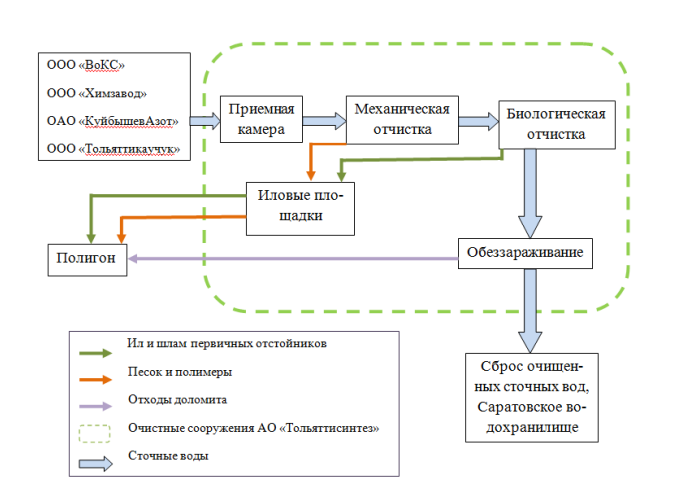
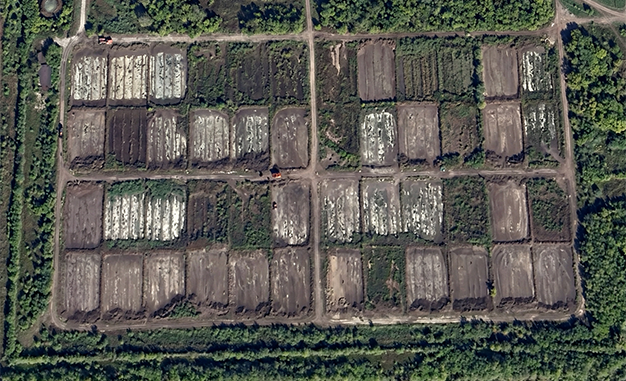
As shown in a study using OJSC “Tolyattisintez” as an example, a single industrial site produces over 50 tonnes of sludge per day. At the national scale this amounts to 4.4 million tonnes (dry solids) per year. Vast areas are expropriated for these wastes every year. For example, in Tolyatti the area of sludge lagoons exceeds 130 ha — these are valuable lands that are withdrawn from economic use for decades and become a constant source of danger.
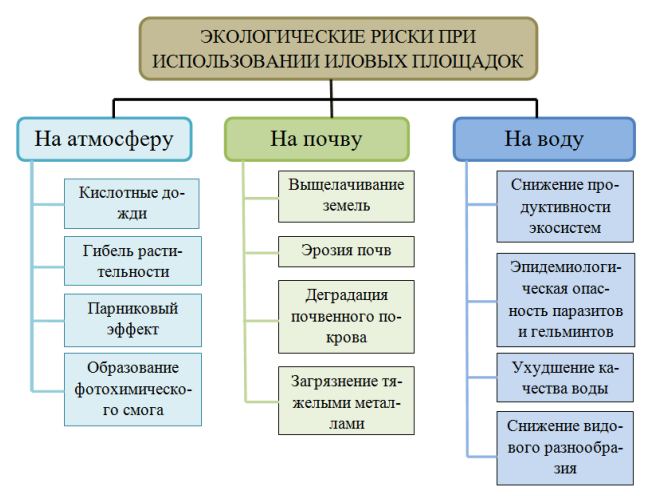
What makes sludge dangerous?
- Pathogenic microflora: Causative agents of typhoid, diphtheria, E. coli, helminth eggs.
- Heavy metals: Copper, nickel, lead, zinc, cadmium, which accumulate in soil and enter the human body through food chains, causing severe diseases, including cancer.
- Toxic organic compounds and unpleasant odors.
- Leachate: A poisonous liquid formed during sludge decomposition penetrates into groundwater, contaminating drinking water sources. Its COD can reach 40,000 mg O₂/L.
- Greenhouse gases: Methane (CH₄, 25 times more potent than CO₂), nitrous oxide (N₂O, 298 times more potent than CO₂), and sulfur dioxide (SO₂), which causes acid rain, are released uncontrollably from sludge sites.
Why sludge lagoons are not the solution?
This is a passive technology that leads to:
- Pollution of air, soil, and water.
- Loss of land resources.
- Growth of environmental charges for negative environmental impact (NEI). For the enterprise in the example, this fee exceeds 5 million rubles annually.
- Social tension due to unpleasant odors and health risks to the population.
Modern disposal methods: searching for the optimal solution
There are several sludge processing technologies, each with its pros and cons:
- Landfilling: The cheapest but also the most dangerous method. It does not solve the problem; it aggravates it, creating future “environmental time bombs.”
- Use in agriculture: Possible only for sludge of the highest degree of purification, which is very rare. The risk of soil contamination with heavy metals makes this method inapplicable for most enterprises.
- Incineration: Significantly reduces waste volume (by up to 90%) and neutralizes pathogenic microflora. However, it requires flue gas cleaning to meet strict standards for dioxins and other harmful substances.
- Pyrolysis: A promising method of thermal decomposition without oxygen. It not only disposes of waste but also yields useful products: pyrolysis gas, synthetic oil, and a carbon-rich material. However, it imposes strict feedstock requirements: preliminary sorting and drying of the sludge to a moisture content of no more than 70%, which requires additional capital expenditures (screw dewatering units) and operating costs.
An integrated approach: dewatering + high-temperature disposal
Analysis shows that the most effective is a two-stage method:
- Mechanical dewatering. The use of modern screw presses (for example, “KIT OSH”) allows the sludge moisture to be reduced from 97–98% to 80–85%, significantly decreasing its volume and mass and preparing it for further thermal processing.
- High-temperature destruction. Further processing in pyrolysis units or, which is often more feasible, in modern incinerators.
Conclusion: an investment in the future
The problem of sludge disposal requires immediate and technologically advanced solutions. Abandoning archaic sludge lagoons in favor of modern processing complexes is not only compliance with environmental legislation, but also:
- Reduction of environmental charges (savings on NEI).
- Release of land resources.
- Improvement of the environmental situation and the company’s image.
- Potential for additional profit from the sale of processing products (energy, secondary materials).
The implementation of disposal technologies pays for itself in 2–3 years and is a direct investment in the region’s environmental safety and the sustainable development of the business.


