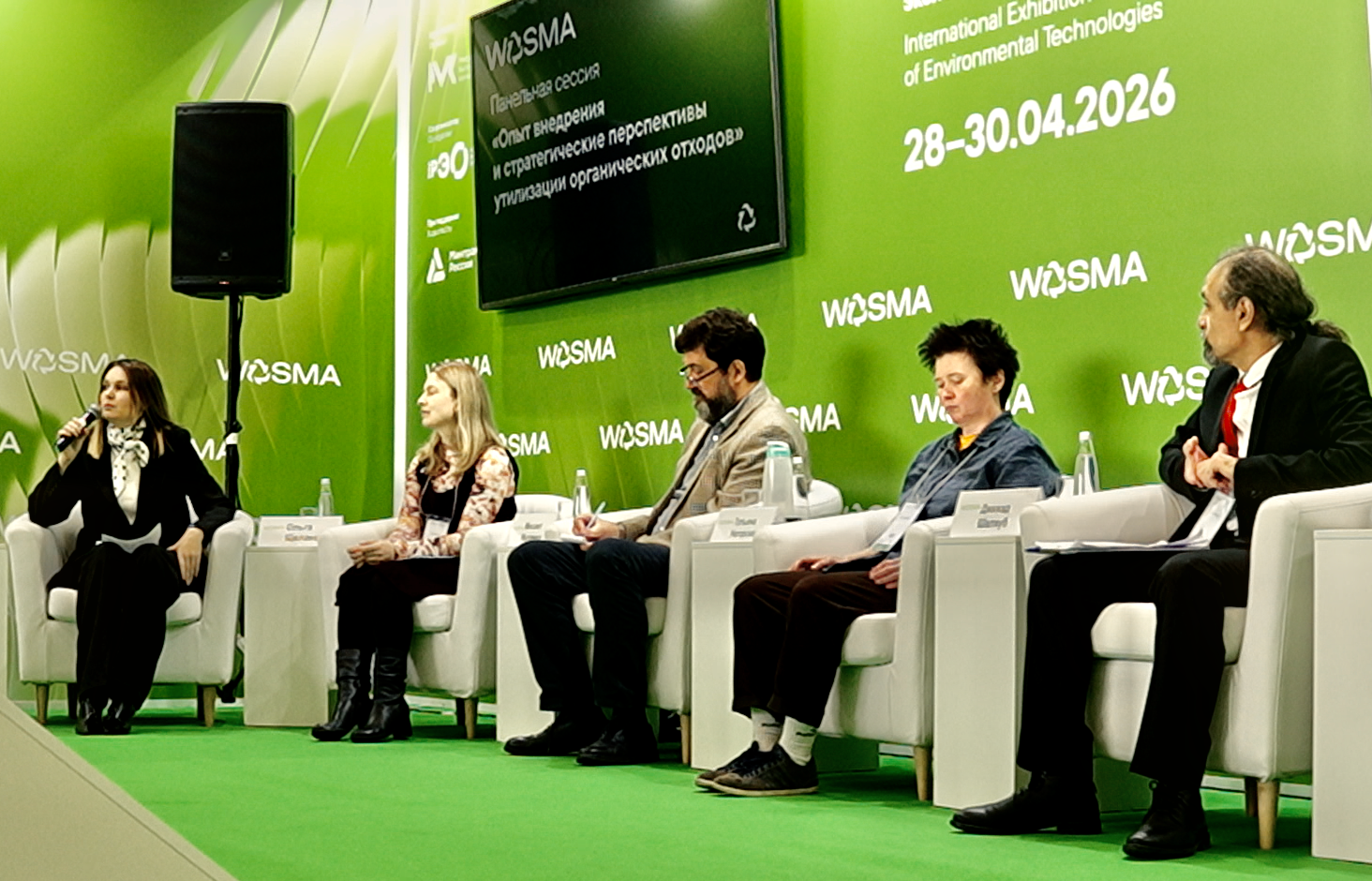
This year, the event attracted a record number of participants: over 1,000 industrial managers, 700+ waste management professionals, 800+ water utility specialists, 400+ construction sector representatives, and 200+ regional equipment operators and distributors.
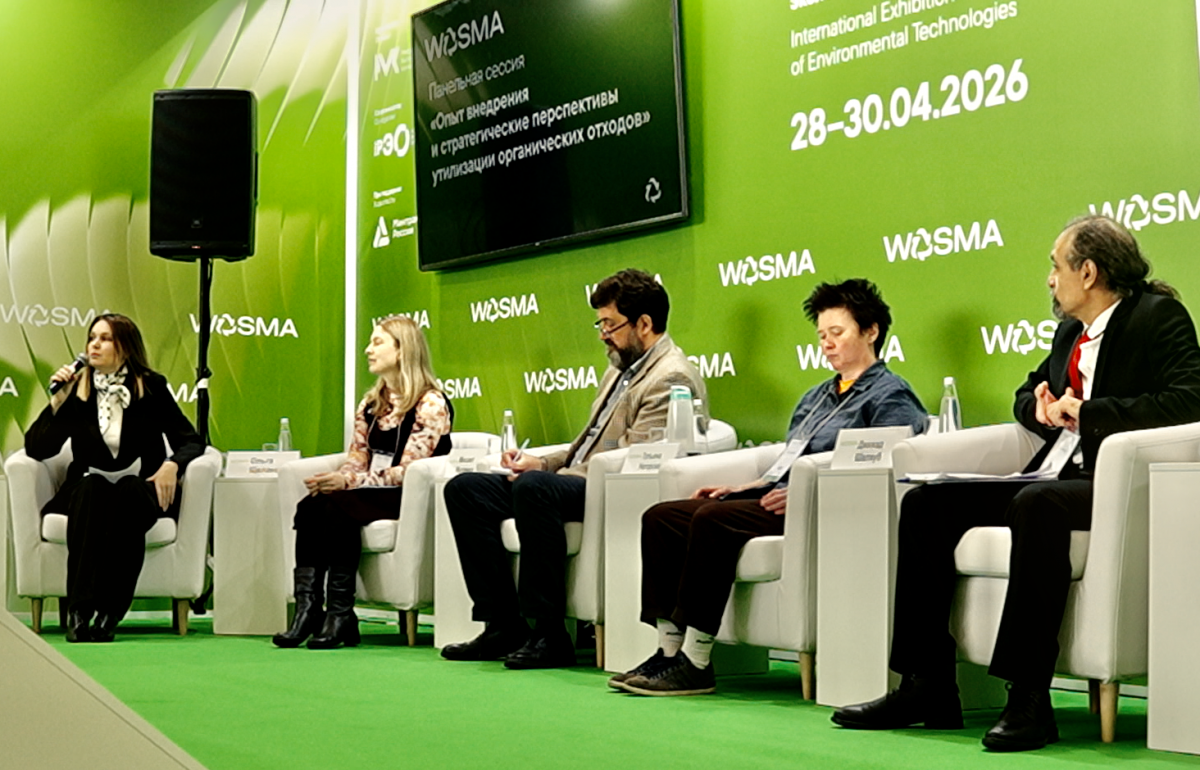
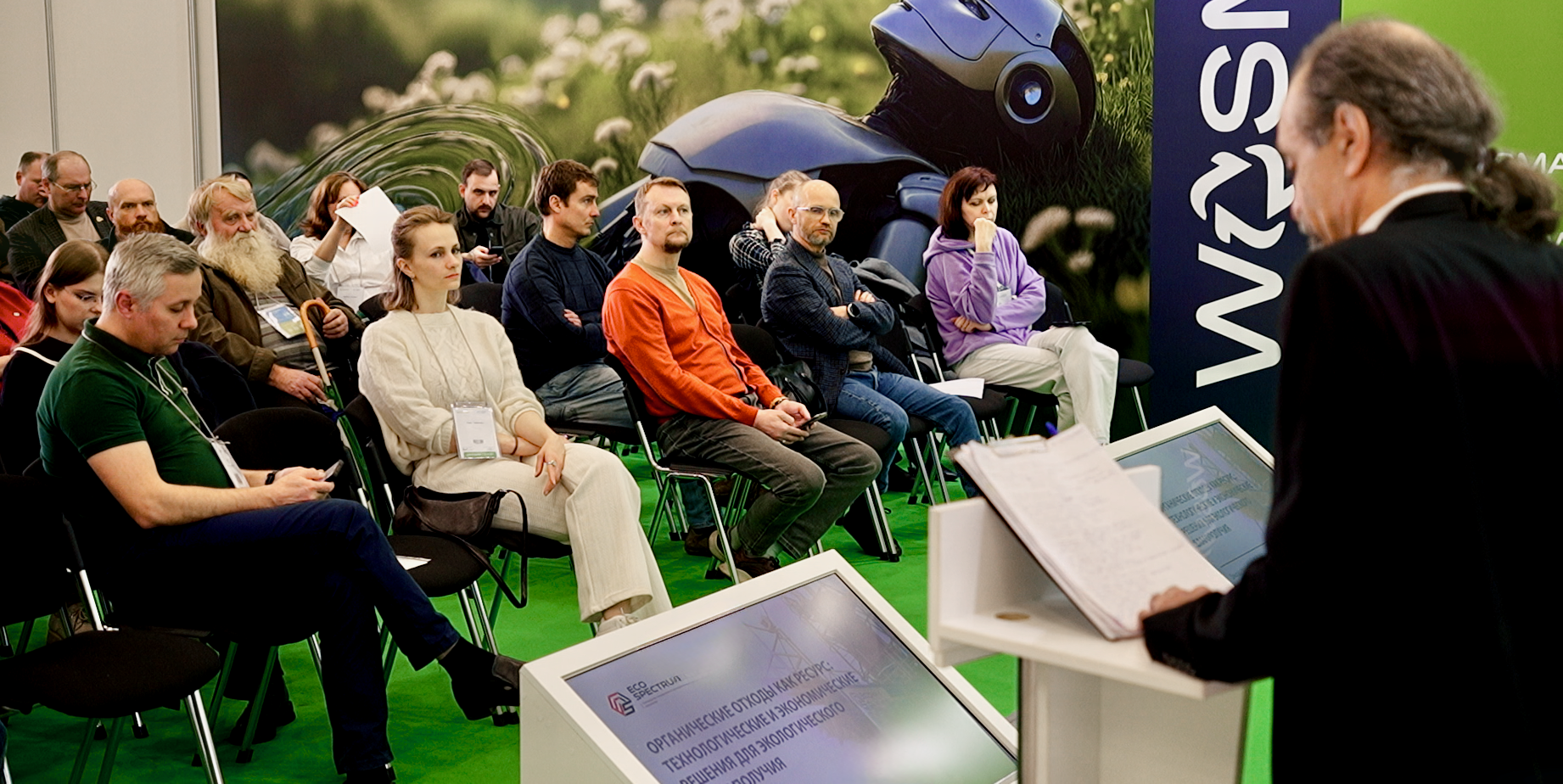
Eco-Spectrum (Krasnodar) participated as an expert speaker. Jihad Wadih Shalhoub, the company's export manager, delivered the keynote address at the congress.
Key Thesis: Incineration as a Condition for Technological Sovereignty
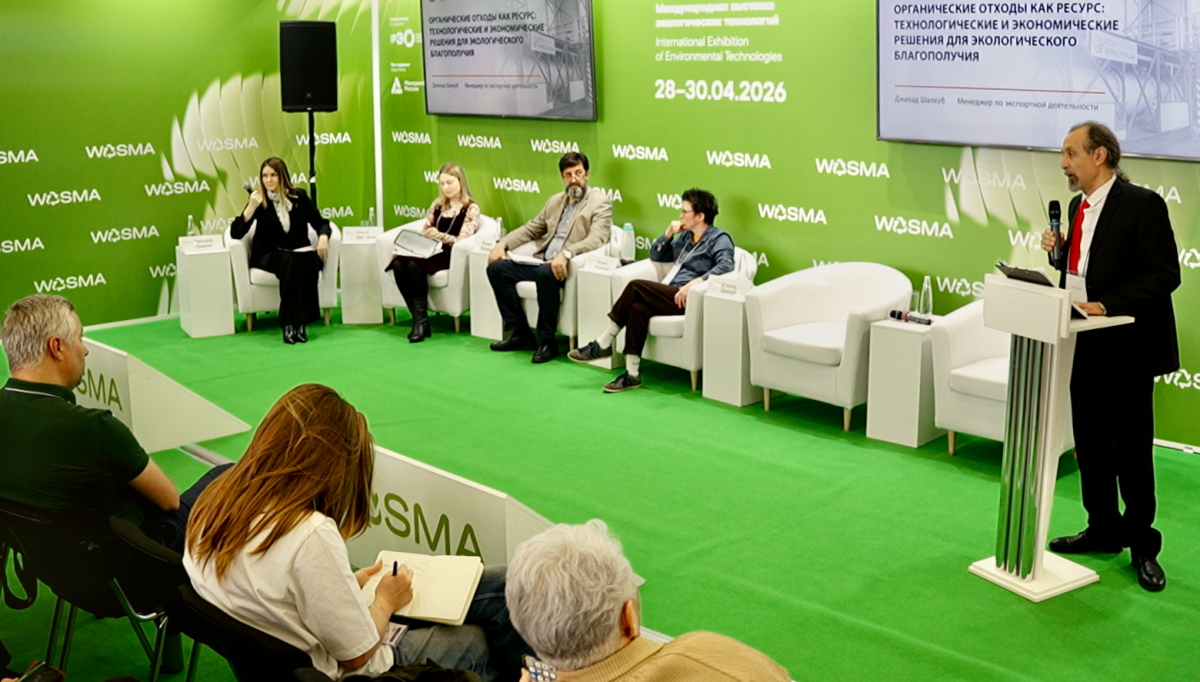
Jihad Chalhoub's speech took place in the Green Hall from 2:15 PM to 3:45 PM—the busiest time of the congress, where key industry players gathered.
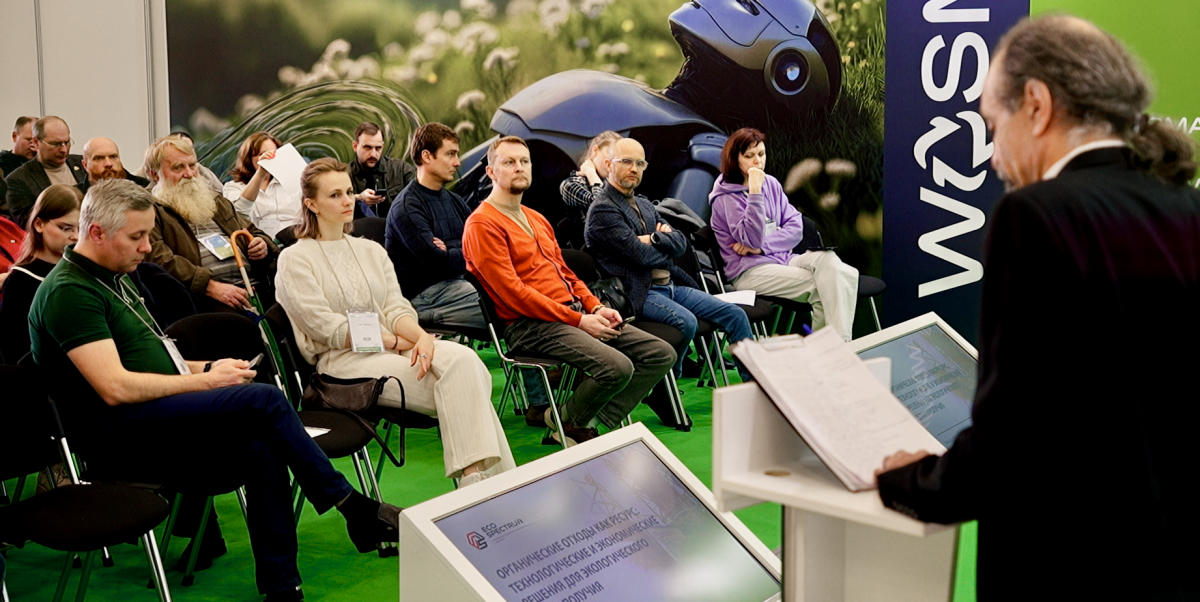
The main topic of the presentation, which generated a lively discussion, was:
"Technological Sovereignty and High-Temperature Recycling: An Effective Response to the Challenges of a Circular Economy"
Jihad suggested the audience shift their focus from the traditional composting "panacea" to more complex problems. He convincingly demonstrated that composting is an excellent, but not universal, method. There is a huge reservoir of "complex organic waste" (contaminated food products, expired plastic packaging, medical and industrial waste) that is impossible or economically unfeasible to process into technosoil.
The speaker believes that the solution is incineration—the final, safest link in the organic tailings management chain, where other methods are ineffective.
Ecology vs. Fear: Controlled Oxidation Instead of "Incineration"
A separate section of the report was devoted to removing social and regulatory barriers. Jihad emphasized:
"Incineration is not a primitive waste incineration, but a high-temperature controlled oxidation."
The audience was presented with a diagram of a multi-stage gas purification system (scrubbers, cyclones, adsorbers, bag filters, catalytic reduction, and dry reactant mixing reactors). Each system is individually designed for the customer's site, ensuring compliance with the most stringent BAT requirements.
"When the public understands that the incinerator stack is producing a purified and safe stream, unlike the emissions from a landfill, tension in society decreases," concluded Eco-Spectrum's export manager.
Economics: Waste as an Energy Source and Industrial Potential
Eco-Spectrum's key selling point is its Waste to Energy economic model. The company's equipment enables the extraction of thermal energy, steam, hot water, and electricity. This transforms waste disposal from a cost item into a cost-saving and resource-generating activity.
A key differentiator is the availability of a State Environmental Expertise (SEE) for over 4,700 types of waste. This makes Eco-Spectrum units a universal solution not only for regional operators, but also for industrial enterprises, which can cover their waste disposal needs independently, without relying on third-party landfills.
Finances and Independence: A Russian Product with Priority Rights
Amidst sanctions pressure and the import substitution agenda, Eco-Spectrum presented a compelling argument: the company has a confirmed status as a Russian manufacturer. All production facilities are localized in Krasnodar, and component logistics are independent of external markets.
Consequently, the company's production lines have priority rights to preferential leasing financing and government subsidies under import substitution programs. This gives Eco-Spectrum's customers a double advantage: technology and access to long-term capital.
Dialogue with Industry Leaders: Dialogue with Mikhail Melamed
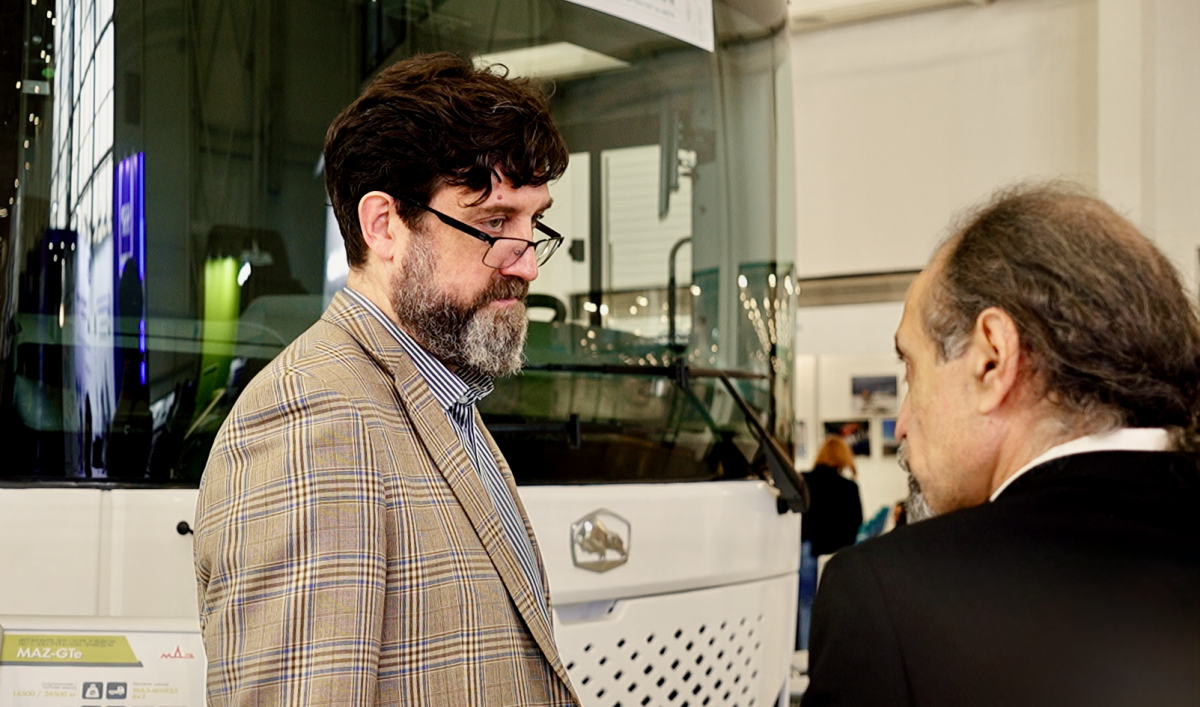
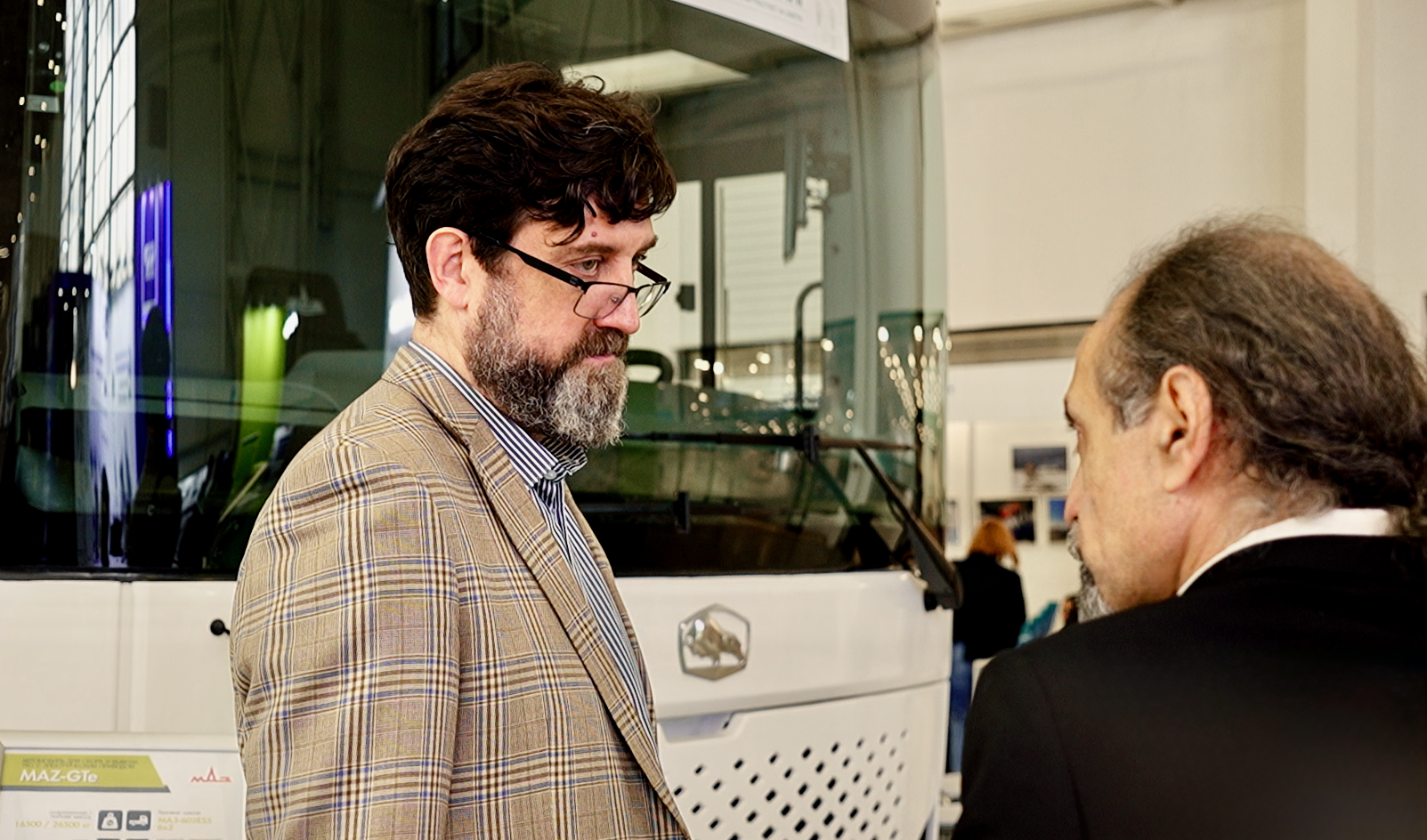
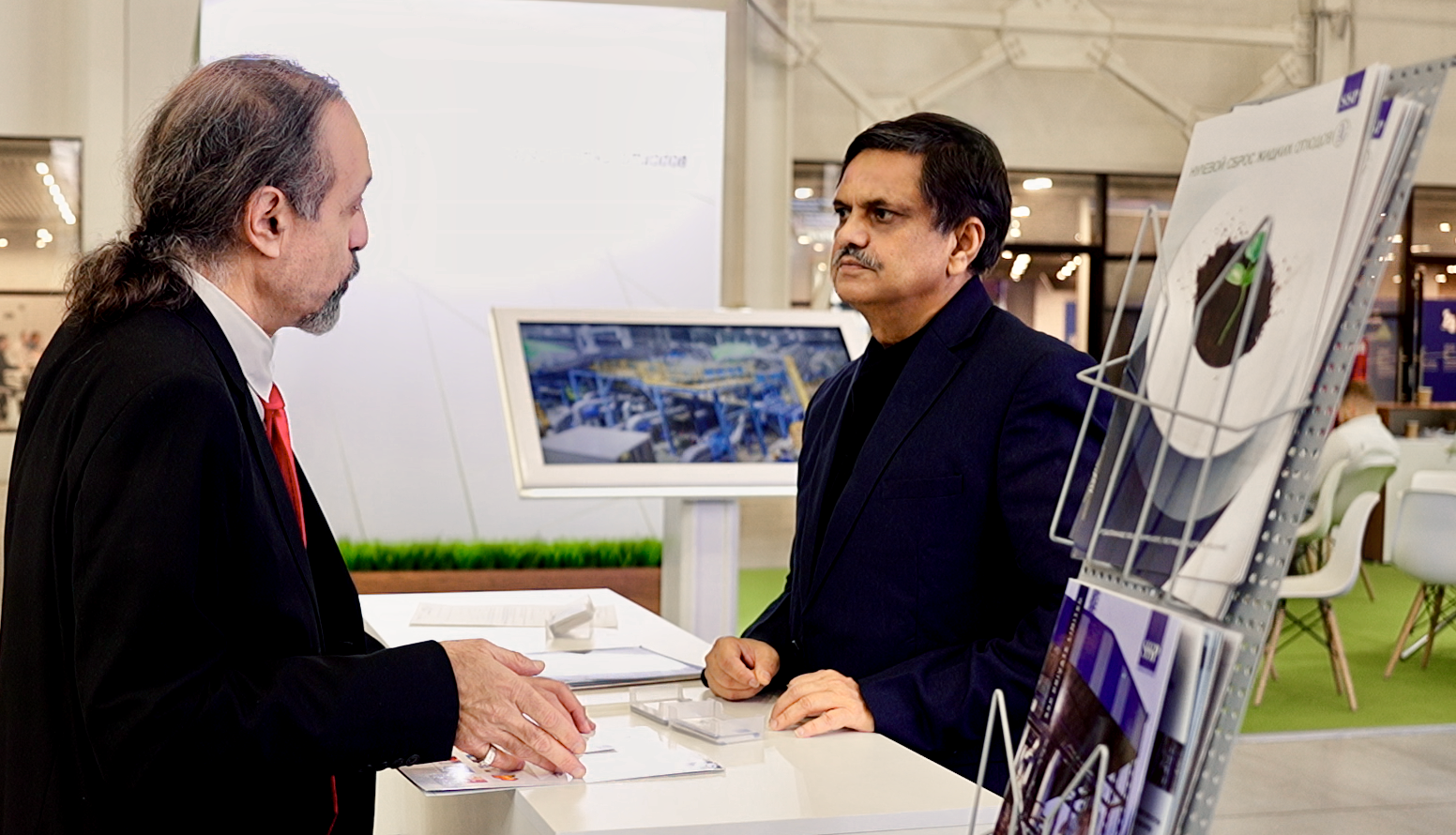
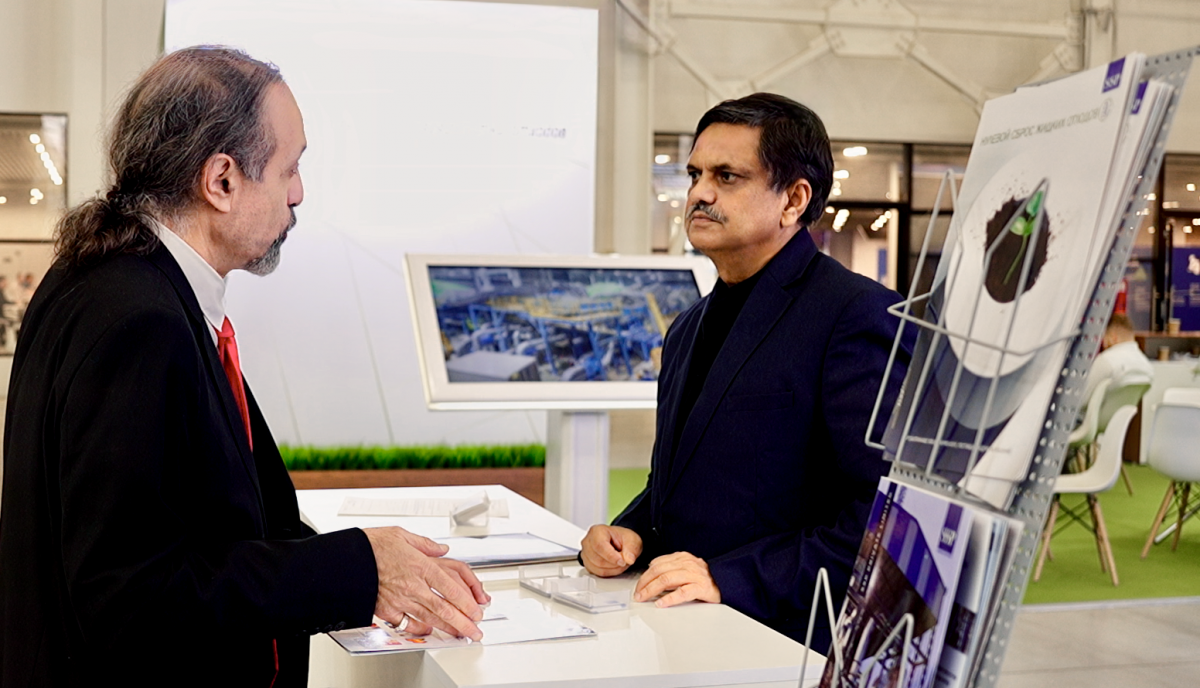
A number of substantive discussions took place on the sidelines of the exhibition and after the presentation. In particular, Jihad Shalhoub spoke with Mikhail Melamed, head of the organic fertilizer working group of the Council of the Chamber of Commerce and Industry of the Russian Federation for the Development of the Circular Economy and Ecology, and CEO of AIK LLC.
The panelists discussed the intersection of two approaches: the production of high-quality organic fertilizers (composting) and the thermal utilization of tailings that cannot be recycled into the soil. Both experts agreed that a circular economy is impossible without a symbiosis of methods, and the main challenge today is to stop demonizing incineration as a technology.
Visualization as Proof: A Virtual Tour and Project Map
Concluding his presentation, Jihad demonstrated an interactive map of Eco-Spectrum's completed projects in various regions of the Russian Federation, including remote northern territories, where the company provides full support and on-site service engineers. The audience was also offered a QR code for a virtual tour of the Krasnodar plant—a direct demonstration of its production culture and scale.
Bottom Line: Organic Waste Is Not a Burden
Eco-Spectrum's participation in WASMA 2026 confirmed that the Russian market is ripe for a mature dialogue about organic waste without eco-phobias. The main conclusion reached by congress participants after Jihad Chalhoub's presentation was:
Organic waste is not a burden, but a potential for technological and economic growth. This is only possible if the industry gains access to efficient, manageable, and localized thermolytic recycling technologies.
Contacts for partners:
Jihad Chalhub, Export Manager
d.shalhub@ecospectrum.ru| WhatsApp: +7 928 036 42 90