An innovative approach to the choice of technology for the disposal of coke production waste
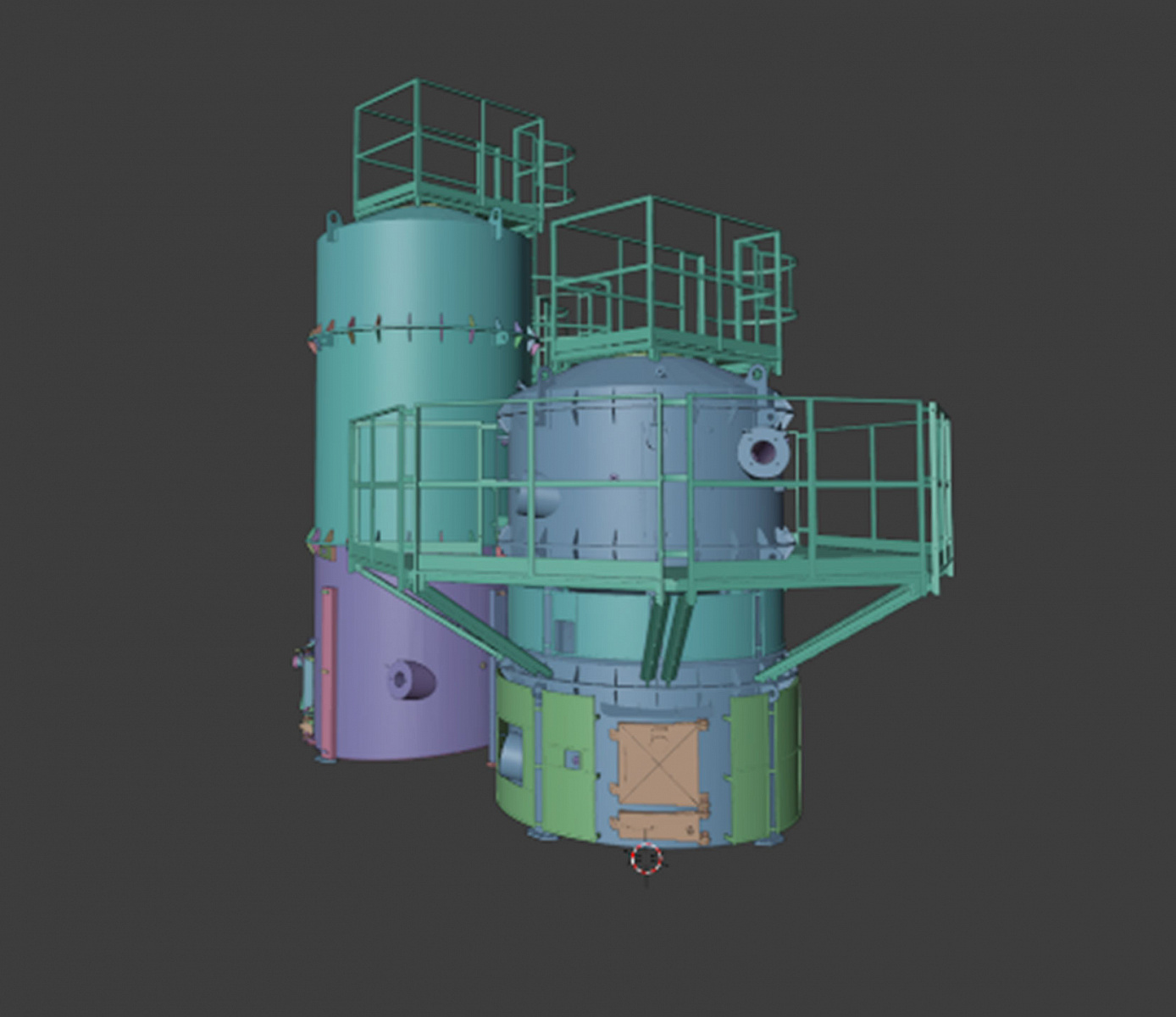
Problems
Throughout the entire activity (more than 60 years), tarry waste from the coke and chemical production of metallurgical plants is exported to chemical landfills, which are "tar lakes" located in a natural log. The dimensions of the dump sometimes reach large sizes in area with a depth of up to 30-35 m. According to rough estimates, it may contain up to 400-450 thousand tons of waste, the composition of which is mainly represented by fusels, polymers and acid resin.
It can be roughly divided into three obvious, experimentally confirmed selection zones along the vertical location:
- The first, upper, layer is mainly composed of naphthalene and coke oven gas purification polymers. Its depth can reach up to one meter.
- The second layer consists of coking resins mixed with other metallurgical wastes, including used oils, solvents, paints, etc. The layer of occurrence is up to three to seven meters from the upper crust of naphthalene.
- The lower layer contains carbonized sediment up to 40-60% – coal fuses, particles of coke entrainment from coke batteries, heavy fractions of coal tar.
Engineering tasks
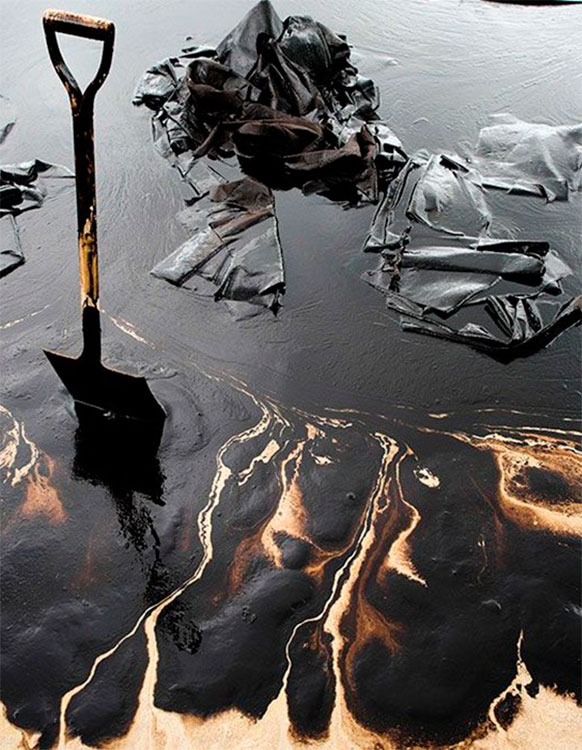
The main purpose of the study is to establish the level of reduction of the negative impact of waste after the application of technology, to determine the composition, properties, and hazard class of the ash residue.
Acid tar during sulfuric acid purification of coke oven gas from ammonia is classified as waste of hazard class II and III.
- Based on the results of incineration, establish the possibility of reducing the hazard class to class III, IV, V.
- To analyze ash samples from the burning of acidic tar, as well as suspended particles of wastewater that have passed the gas treatment system of the incinerator.
- To determine the thermal degradation intervals of the studied ash samples based on the thermal test data.
- To make a thermal engineering calculation of the justification of the design and technological solution for the thermal neutralization and disposal of acid resin waste, to substantiate the ecological and economic effect of the technology introduction.
Product results
Science describes various concepts for the development of technologies for the disposal of man-made organic waste from coke and other industries by pyrolysis in coke ovens and their modification of raw materials from other industries; technologies based on deoxidation and dissolution of naphthalene with special additives based on surfactants. However, none of these projects has found practical application due to the disadvantages of industrial testing, the critical environmental effect and the lack of applications of the obtained by-products.
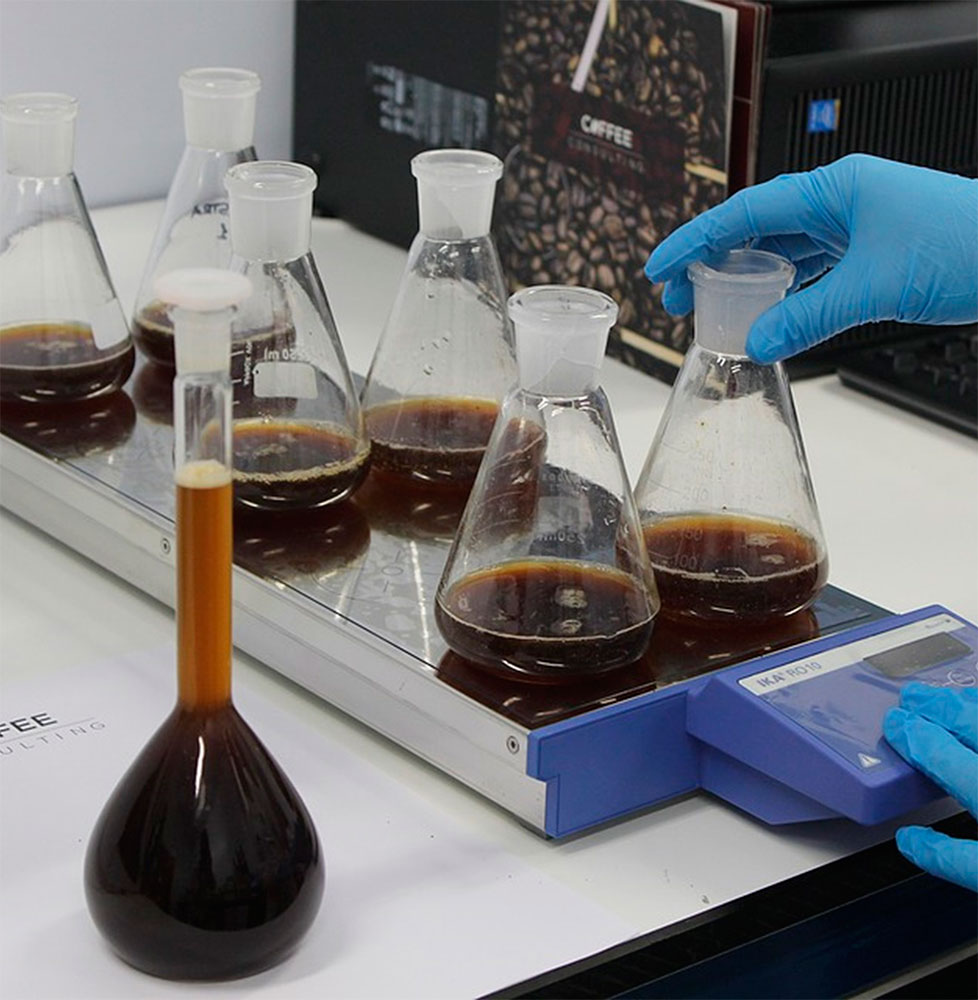
- The main purpose of the study is to establish the level of reduction of the negative impact of waste after the application of waste neutralization technology, conditionally in equal proportions, including the compositions of all three zones of the resin lake, determination of the composition, properties, and hazard class of the ash residue achieved: according to the results of waste incineration, it was possible to reduce the hazard class of acid tar with sulfuric acid purification of coke oven gas from ammonia from hazard class II and III to class III, IV, V.
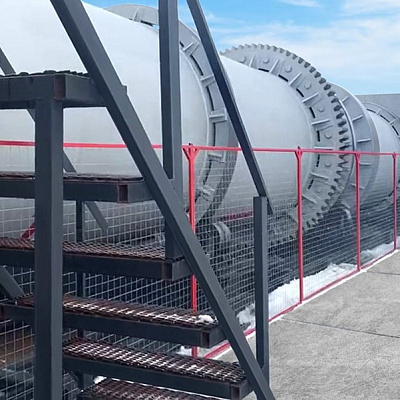
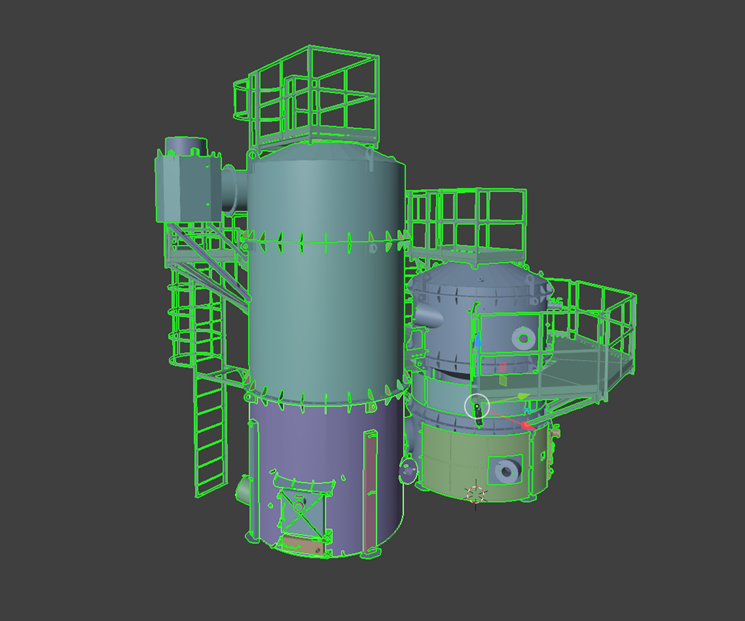
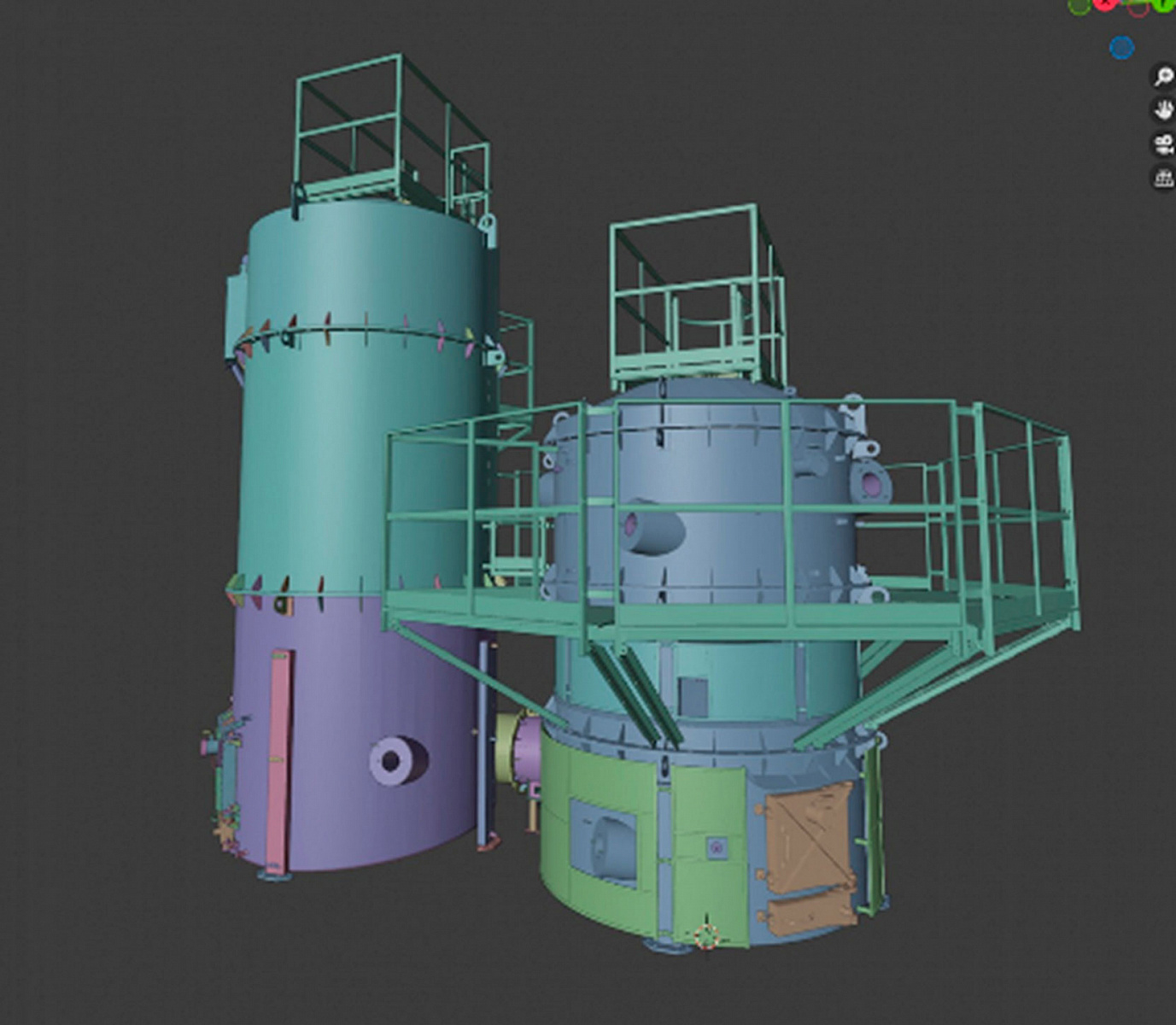
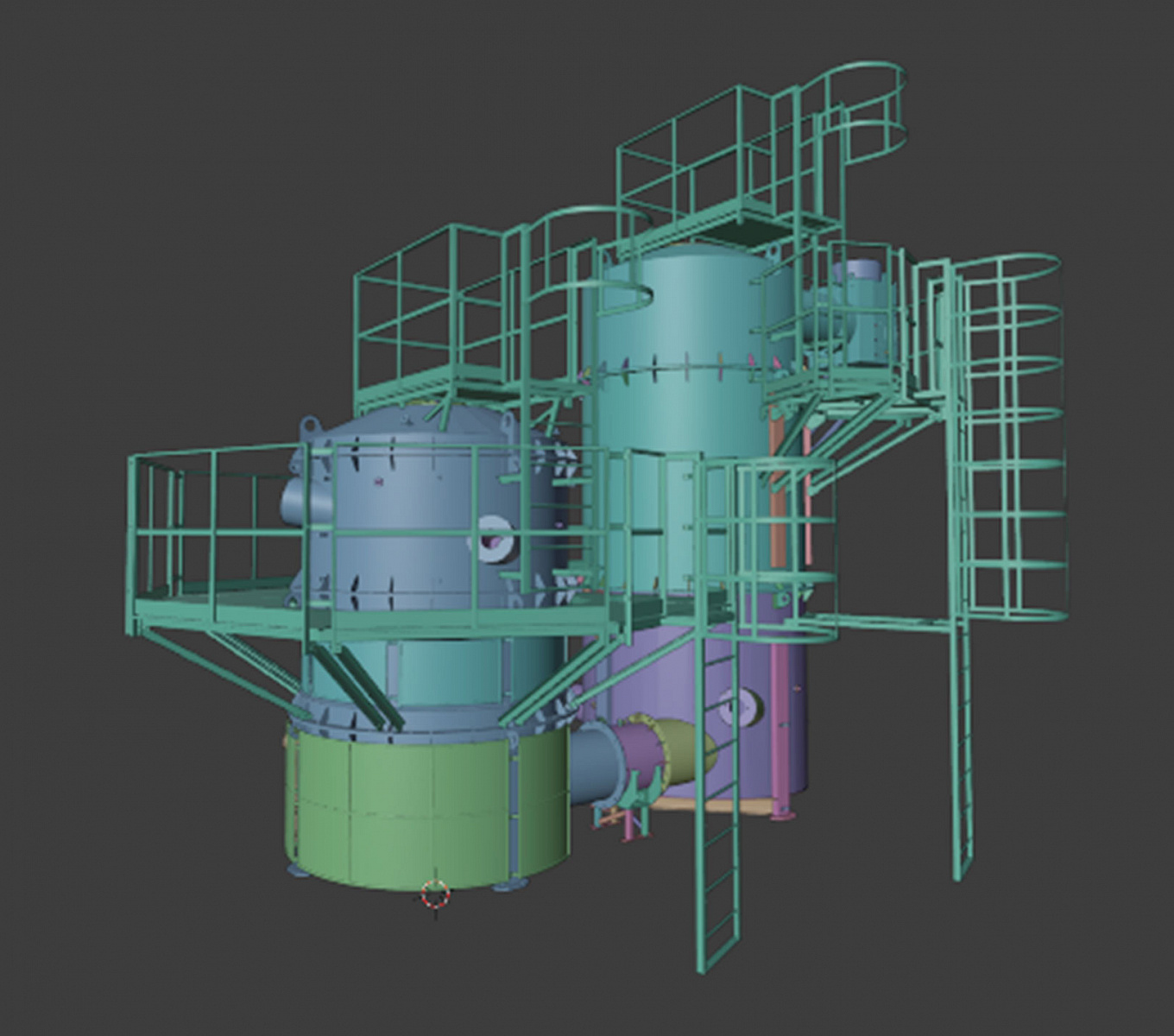
- The technology of neutralization has been determined, the selection of equipment (rotary and cyclone furnaces) has been carried out, a block for heating and preparing waste before feeding into the reactor has been developed, the selection of a GO system has been implemented, etc.
- The ash residue is used for the production of goods for urban improvement: tiles, benches, manholes, planters, etc.

Science, research and production are inseparable concepts for Eco-Spectrum
Thus, it can be concluded about the effectiveness of the proposed method of processing coke production waste.
Additionally, a thermal engineering calculation will be performed to substantiate the design and technological solution for the thermal neutralization and disposal of acid resin waste based on H1000R, the environmental and economic effect of the technology implementation is justified.
The result of research and development work on the development of a universal solution for coke production waste is a reduction in the hazard class from II to V.

Kremlev Denis Sergeevich
SALES DEPARTMENT ENGINEER
d.kremlev@ecospectrum.ru
8-800-555-59-12 (ext. number 121)
Other projects
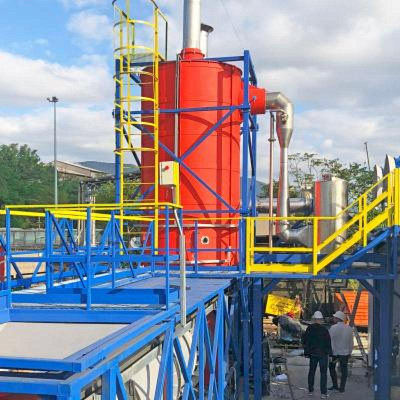
Disposal of tar
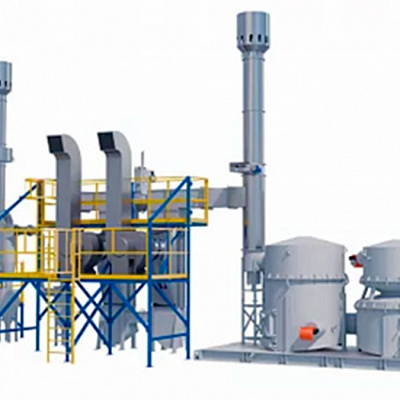
Disposal of filtrate
Disposal of liquid waste from silicon wafer cutting
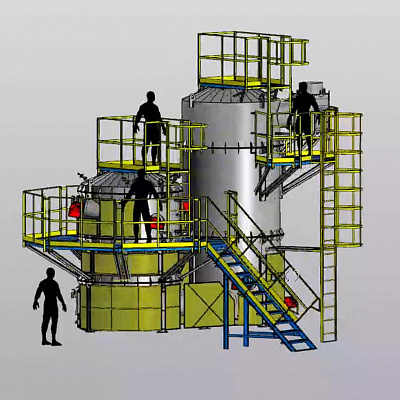
Disposal of sludge from biological treatment plants
Disposal of construction waste
Waste disposal of thermal power plants, thermal power plants, BOILER houses
Medical waste disposal
Disposal of coke chemical waste