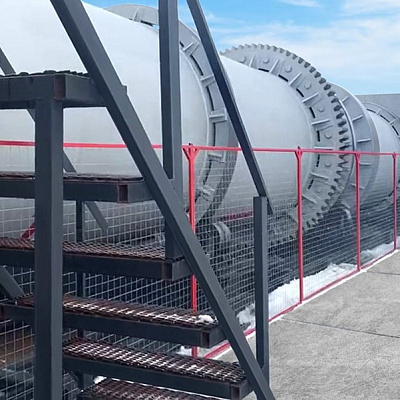
Problems of waste disposal of thermal power plants, thermal power plants, BOILER houses
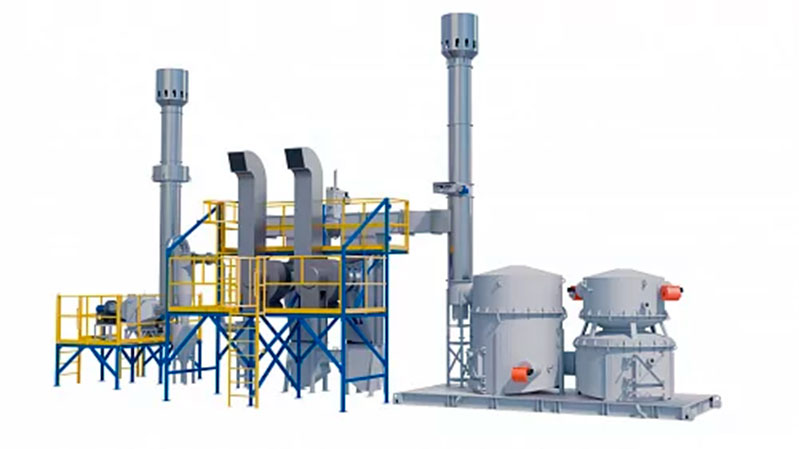
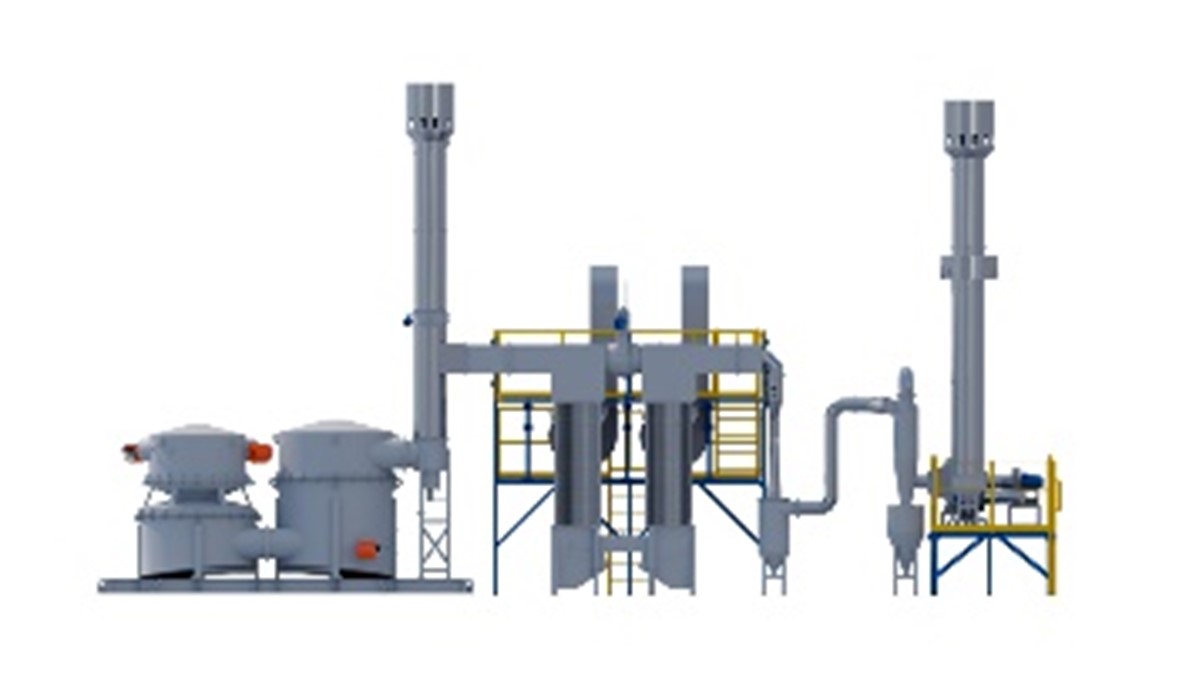
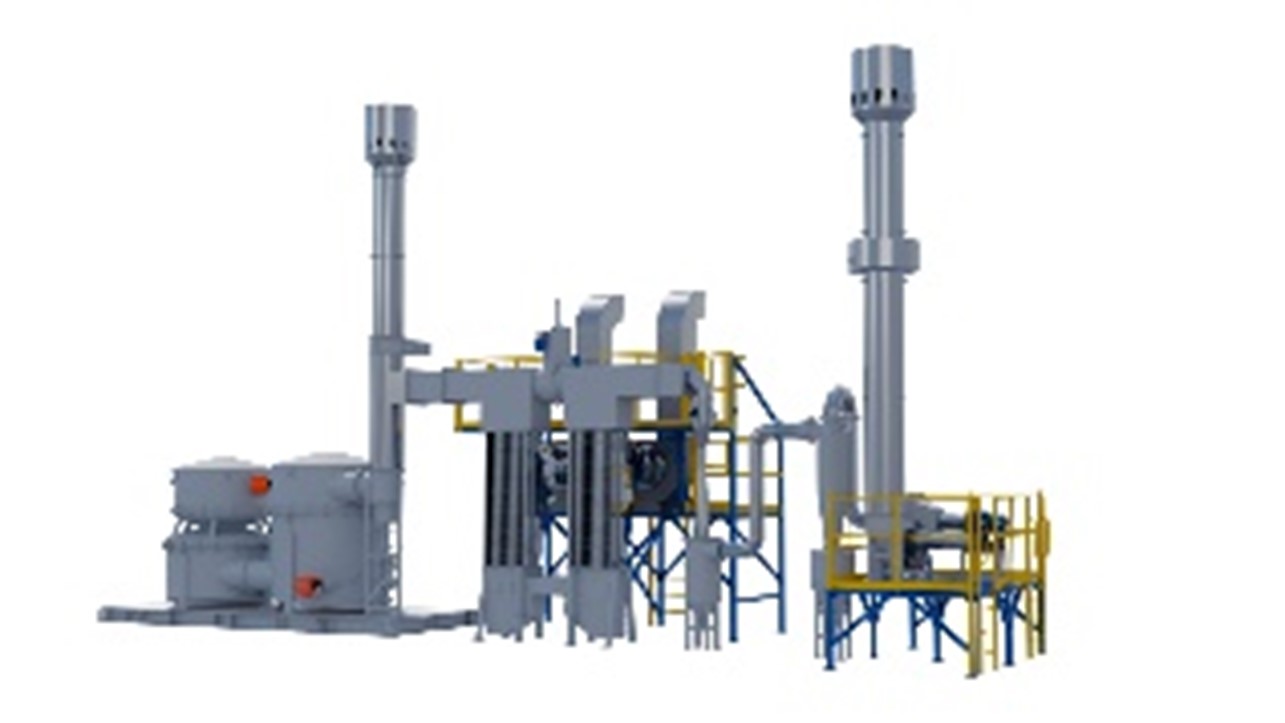
Problems
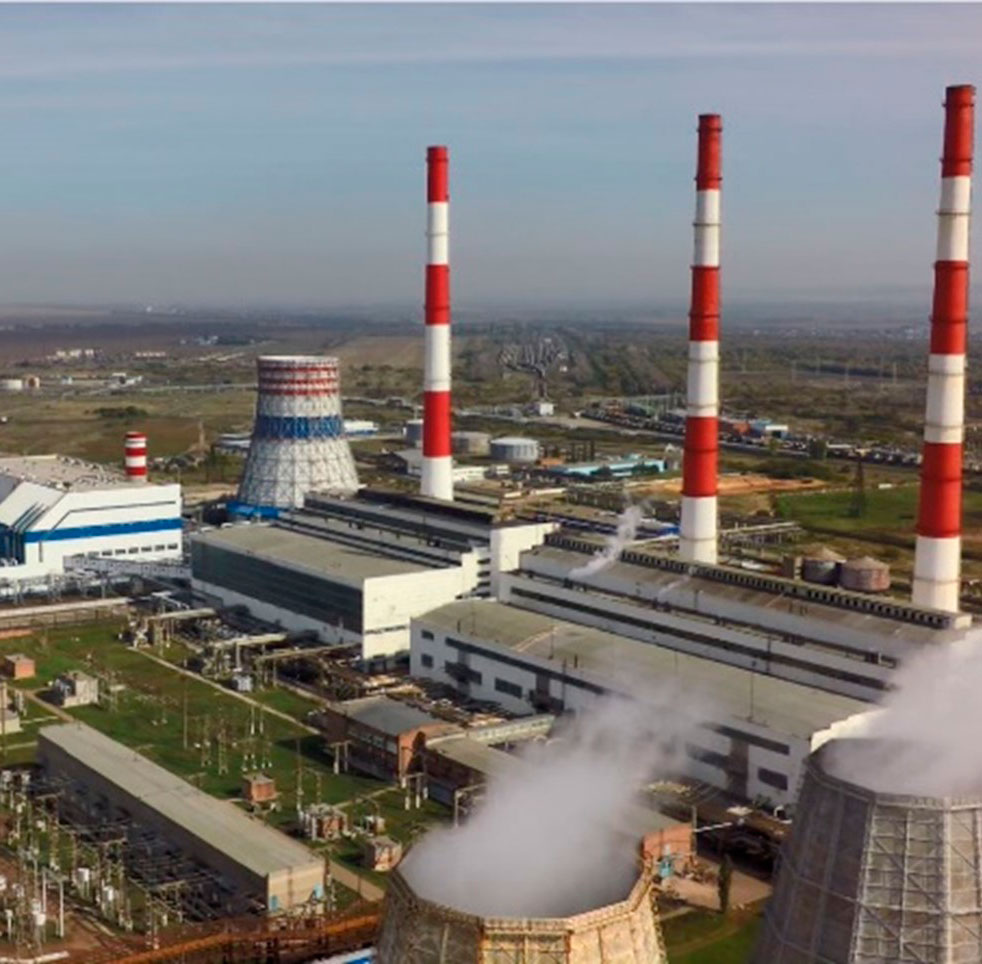
High-tonnage industrial effluents from the activities of thermal power plants, thermal power plants, and boiler houses should include the sediment of clarification of natural water during coagulant treatment.
- During evaporation, the dissolved salts simply remain at the bottom of the tank without reducing the hazard class of the incoming waste. There may be an increase in the hazard class of evaporation sludge. The water for this method must be constantly heated, and this entails unjustified energy consumption.
- The process of additional purification of liquid waste before discharge into the central sewerage system or into the environment is multi-stage, requiring the creation of an engineering infrastructure, the selection of various coagulation and flocculation systems, and constant quality control of the flow at the inlet/outlet. This is not only labor-intensive, but also requires highly qualified personnel at the recycling facility.
Technological challenges
To understand the operation of equipment on waste from thermal power plants, thermal power plants, and boiler houses, we selected samples for research.
Composition: moisture – 83.02%, petroleum products - 0.02%, calcium - 500 mg/kg, magnesium - 10 mg/kg, iron – 0.18%, aluminum – 1.10%, sulfate ion - 200 mg/kg, chloride ion - 10 mg/kg, morphological composition: sand – 15.63%.
- Testing of thermal decontamination technology and automatic controlled supply of liquid propellant into a process plant
- Conducting laboratory tests for the acceptability and applicability of a thermal method of waste disposal based on the technology of high-temperature combustion in an environment of excess oxygen
- Investigation of the ash residue for the possibility of use in production (disposal of VMR)
- Collecting data on the direct costs of decontamination in order to substantiate the economic benefits of the applicable method

Solution
Energy utilization by thermal method
- During the tests, energy consumption, fuel consumption, electricity, reagents, etc. were measured. The cost of neutralization by fuel consumption is 8 rubles/kg
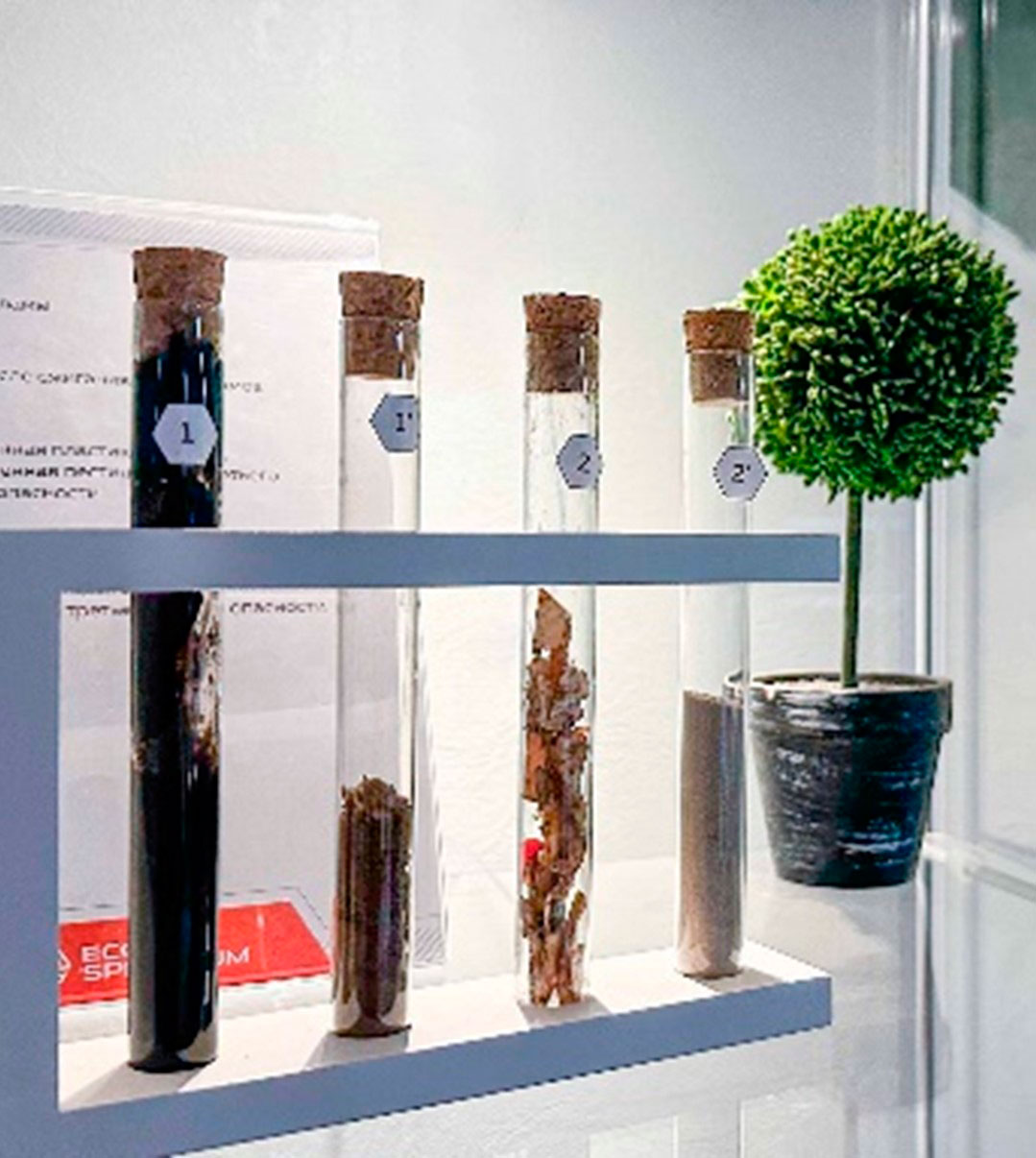
- The operating modes were determined, the combustion rate was determined (equipment performance: corresponding to the nominal with a coefficient of 0.9), the ash content, the ash quality and its hazard class were determined (hazard class of the experimental sample of waste and the resulting ash residue: waste at the inlet is hazard class IV; ash residue is hazard class V, which allows the ash to be used as inert material in the framework of the conclusion of the GEE.
- The quality of flue gas emissions after the afterburning chamber: the afterburning chamber ensures the combustion of individual gases in industrial emissions to the levels of NDT: nitrogen oxide, nitrogen dioxide, suspended solids, benzapyrene, hydrogen chloride, hydrogen fluoride, heavy metals. It is concluded that there is no need for a GO.
We are always on the side of ecology and our task is to prove it
"The test result confirms the possibility of reducing the hazard class, reducing the volume to 95%, obtaining heat (WMP) from thermal disposal, and data have been obtained that are used to compile a feasibility study with an economic justification and proof of environmental effectiveness.
To fully understand the composition of the emission gases, which must be in accordance with the requirements of environmental legislation. measurements were carried out by an independent accredited laboratory. According to the data of industrial tests, an unambiguous conclusion has been made about the effectiveness and versatility of the thermal disposal of liquid sludge from the clarification of natural water with a coagulant formed in the fuel and energy sector in terms of environmental safety and economic performance of the technology. The ECO-SPECTRUM team strives for the novelty and perfection of its own technologies. "
General Director of Eco-Spectrum LLC
Devletova Oktyabrina

Other projects
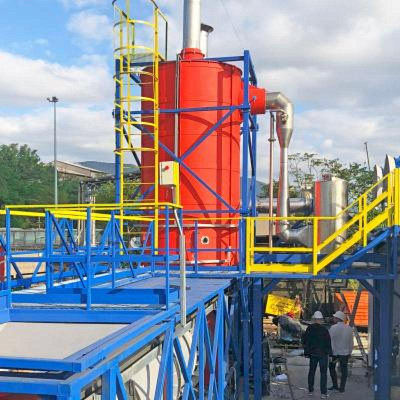
Disposal of tar
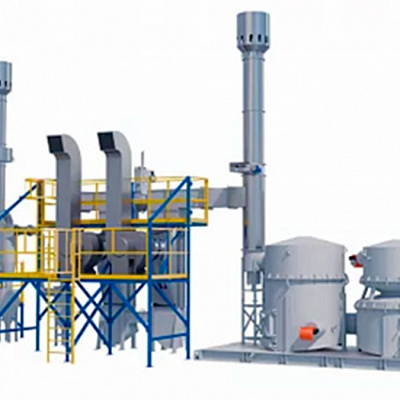
Disposal of filtrate
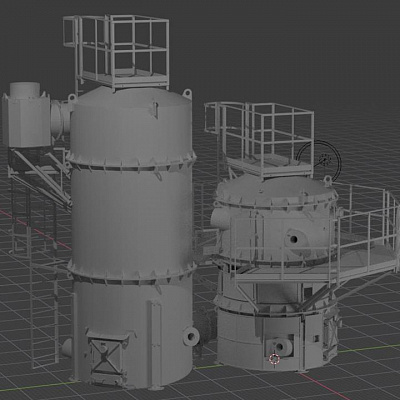
Disposal of liquid waste from silicon wafer cutting
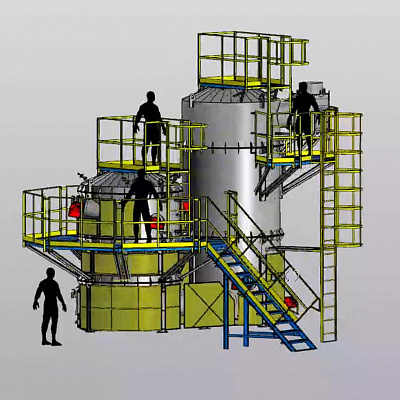
Disposal of sludge from biological treatment plants
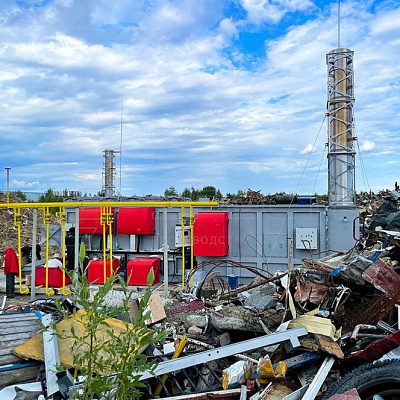
Disposal of construction waste
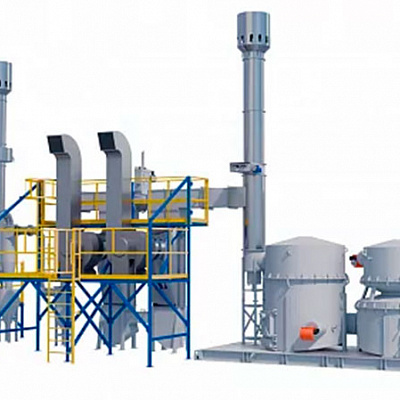
Waste disposal of thermal power plants, thermal power plants, BOILER houses
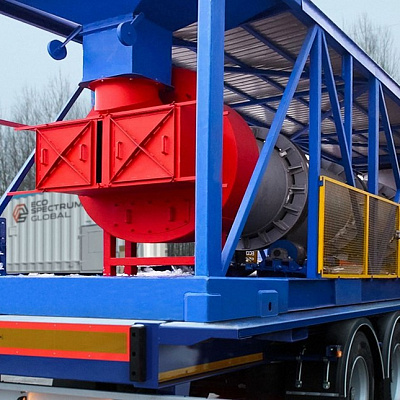
Medical waste disposal
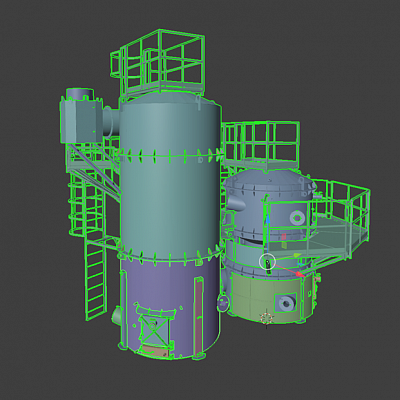
Disposal of coke chemical waste