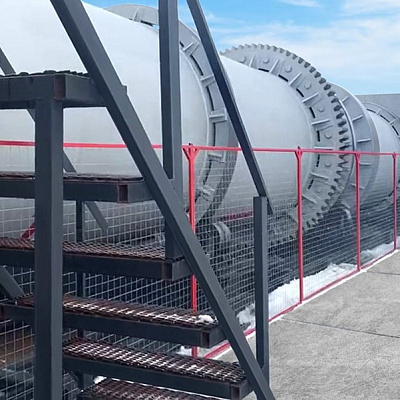
A technological solution for the disposal of sludge from biological sewage treatment plants and mixed sewage systems
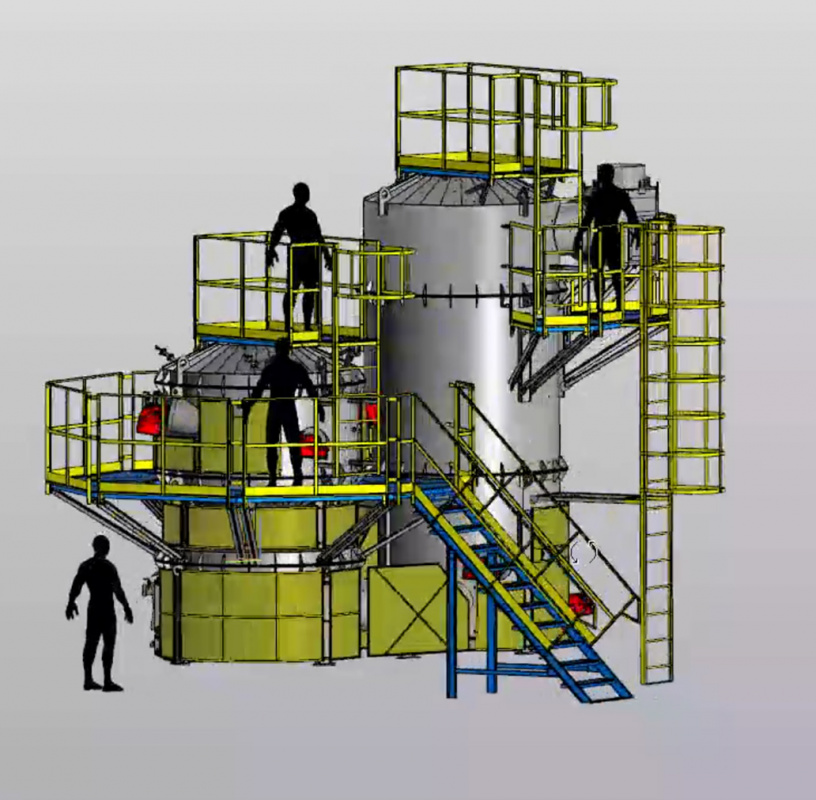
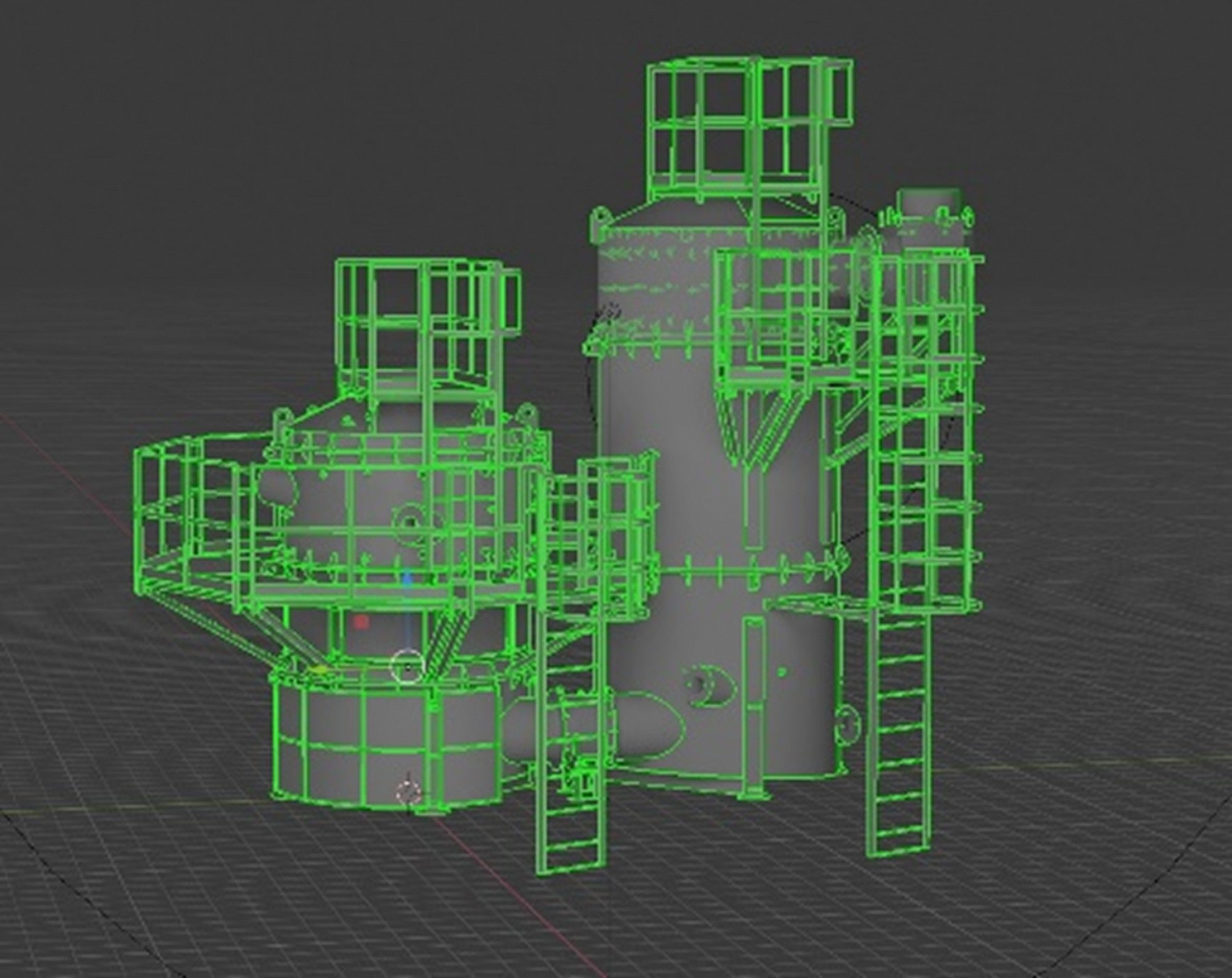
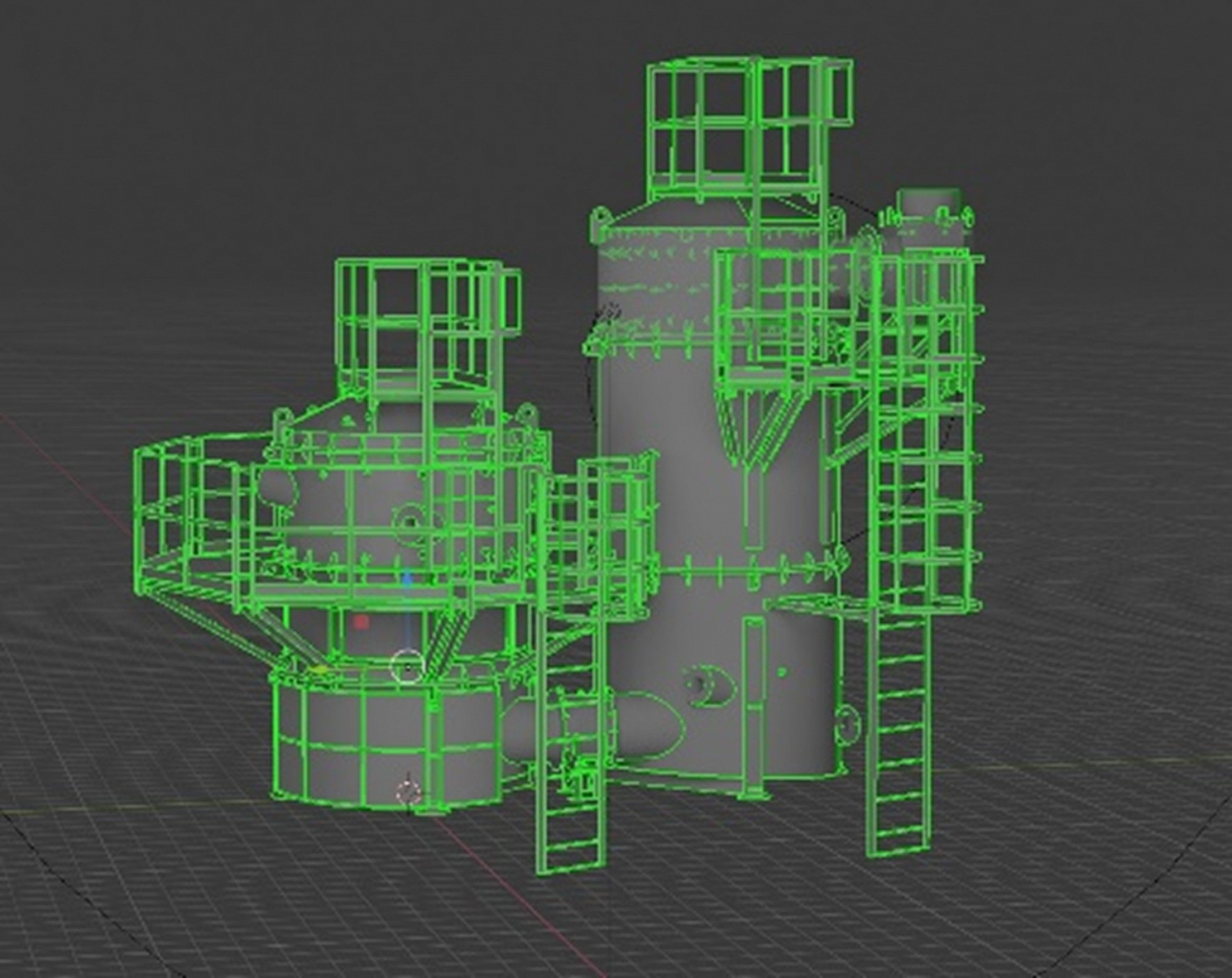
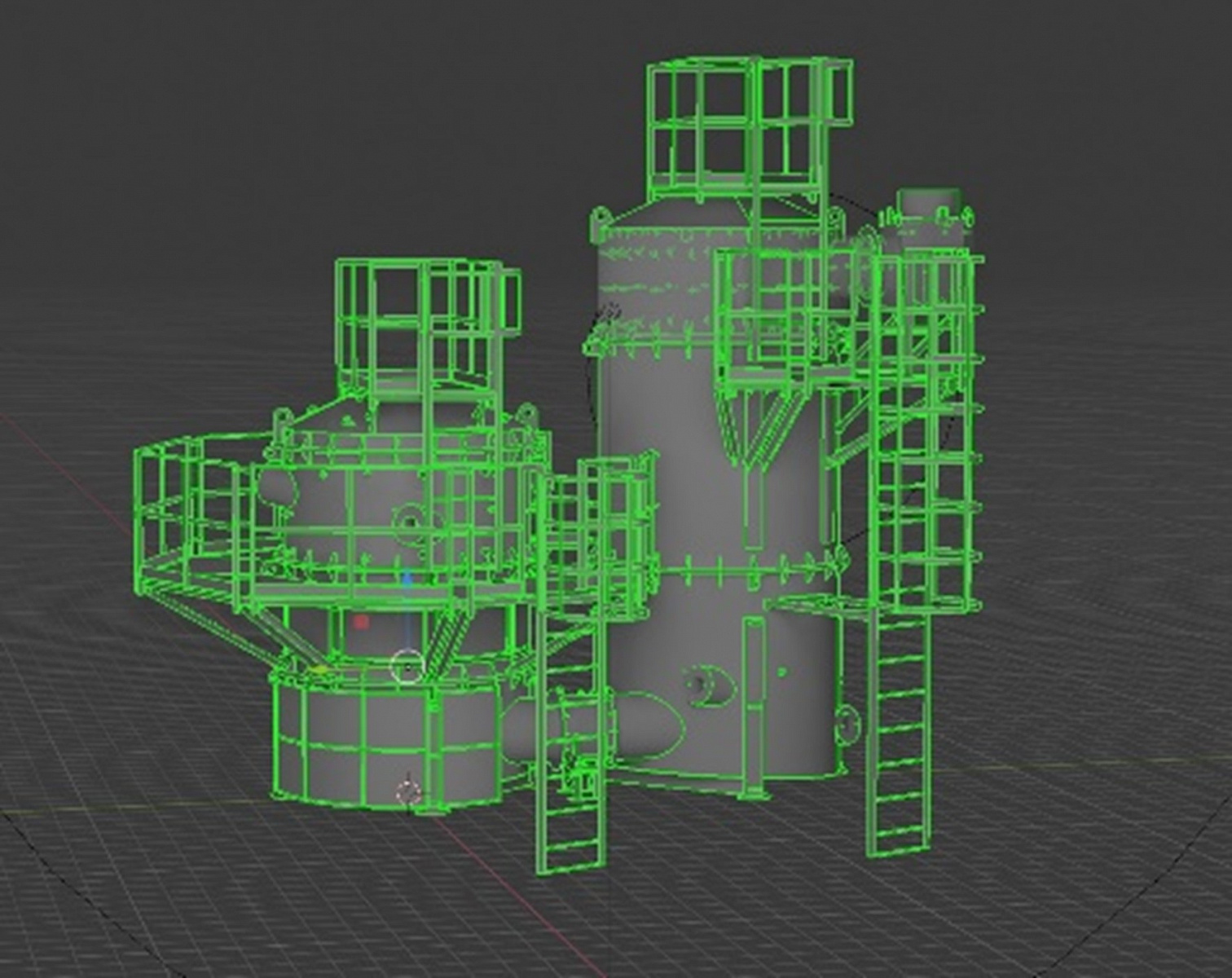
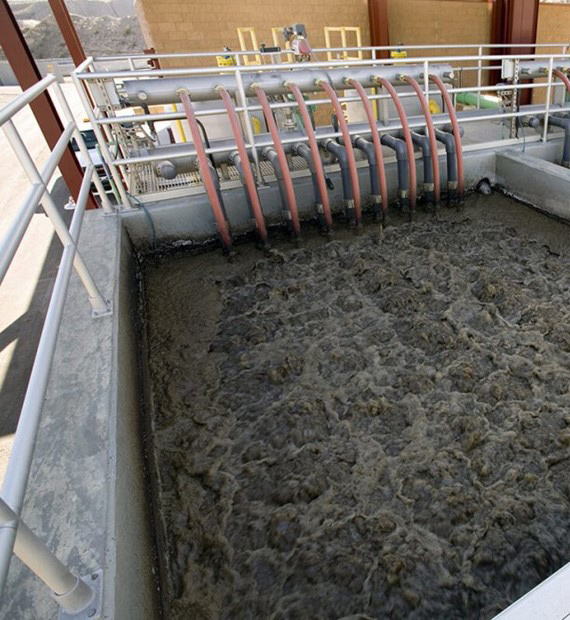
The problems of processing liquid sludge from biological sewage treatment plants and mixed sewage
The neutralization (incineration) of sludge from biological sewage treatment plants and mixed sewage systems is possible, moreover, at high process temperatures, the organic part of the sediments is oxidized to non-toxic gases and ash.
- Thermal neutralization can significantly reduce the volume of sediment and destroy pathogenic microorganisms and helminth eggs.
- Eco-Spectrum Company carries out extensive work on the development of a technological solution for the disposal /neutralization of sludge from biological sewage treatment plants and mixed sewage systems, and for this purpose we have conducted research in the field of thermal waste disposal with the involvement of an independent accredited laboratory (for emissions and ash).
Engineering tasks
In order to obtain the data necessary to understand the profitability of the wastewater sludge disposal process, to select the general concept of the method and technology, and its applicability to these types of waste, we are conducting a number of studies.

Product results
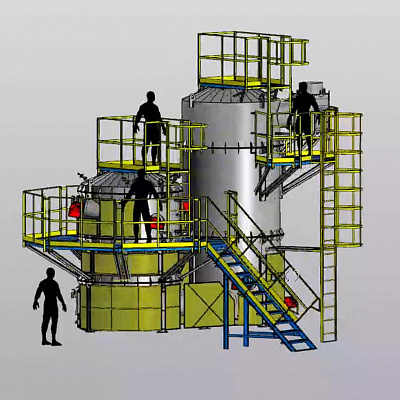
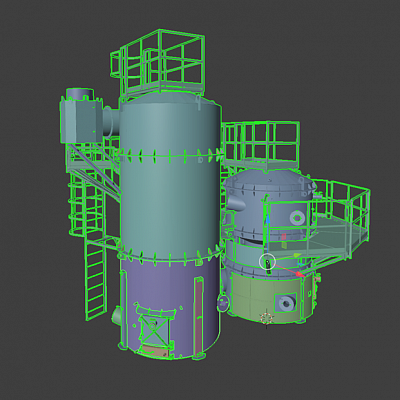
The optimal and universal solution to the problems of recycling liquid waste from the semiconductor industry resulting from cutting silicon wafers with various component compositions was the adaptation of cyclone incinerators of the HURIKAN 3000C type into the work processes of an industrial enterprise.
- A calculated analysis of the waste was performed, laboratory tests were carried out in order to determine the requirements for the GO and the list of reagents capable of ensuring the quality of the emission within the limits of technological parameters
| Waste characteristics | C, % | H, % | O, % | N, % | S, % | Cl, % | W, % | A, % | Q, kcal/kg | Average heat capacity, kJ/(kg x °C) |
|---|---|---|---|---|---|---|---|---|---|---|
| Sample number | 19,314 | 2,428 | 14,166 | 0,234 | 0,059 | 0,026 | 11,40 | 52,40 | 1723 | 2200 |
| Sample 1 | 13,079 | 1,644 | 9,593 | 0,158 | 0,040 | 0,018 | 40,0 | 35,485 | 973 | 3000 |
| Sample 2 | 8,720 | 1,096 | 6,395 | 0,106 | 0,026 | 0,012 | 60,000 | 23,657 | 449 | 3500 |
| Sample 3 | 4,360 | 0,548 | 3,198 | 0,053 | 0,013 | 0,006 | 80,0 | 11,828 | -76 | 3800 |
| Sample 4 | 0,218 | 0,027 | 0,160 | 0,003 | 0,001 | 0,0003 | 99,0 | 0,591 | -574 | 4100 |
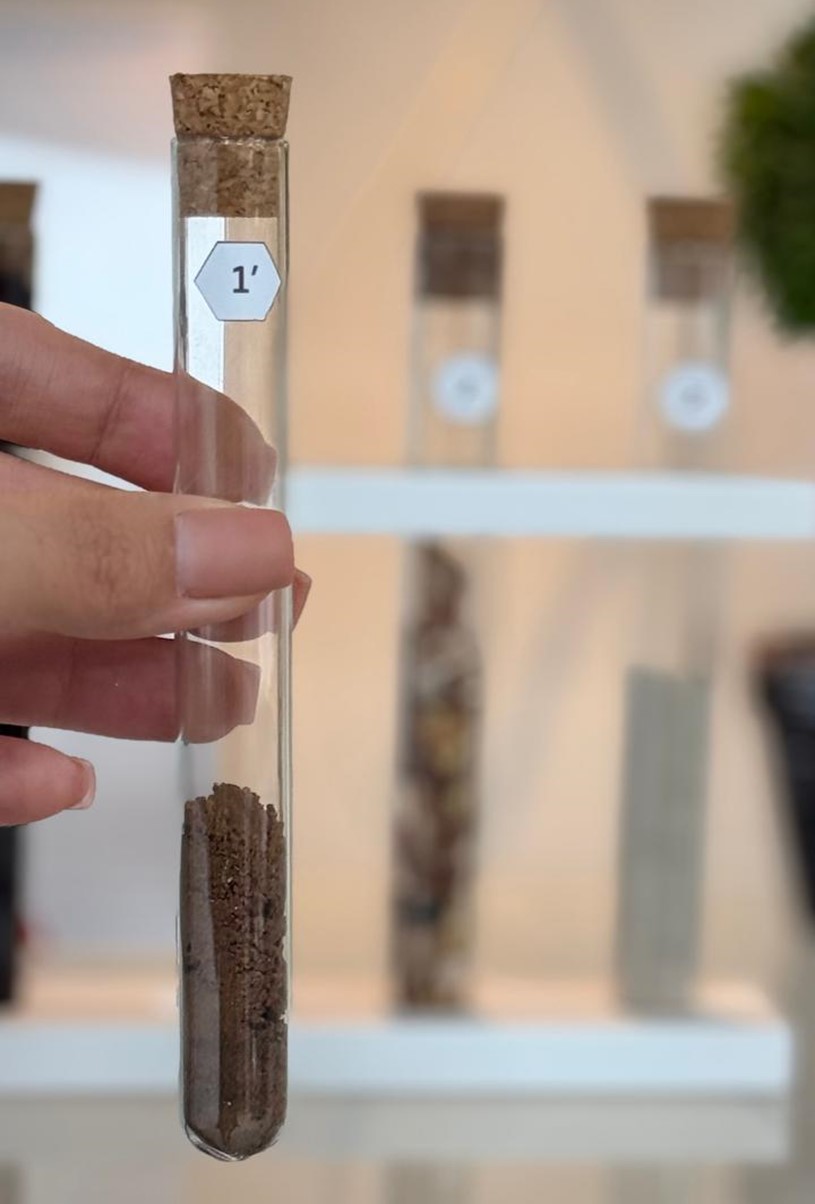
- During the tests, energy consumption, fuel consumption, electricity, reagents, etc. readings were taken. Operating modes were determined, the combustion rate was determined, the ash content, ash quality and hazard class were determined, and the cost of thermal waste disposal was calculated. Several types of heat exchange devices for heat recovery have been developed
Test results and search for solutions
Specialists of the chemical technology department of Eco-Spectrum calculated the composition of waste: purified household, industrial rainwater, meltwater, wastewater from washing and steaming of technological equipment, industrial wastewater (10% solution of bleach/calcium hypochlorite, odorant, etc. based on the results of studying the customer's production processes.
The result of the tests is confirmation of the possibility of reducing the hazard class from III to IV, V, reduction in volume, the possibility of obtaining heat (BMP) from thermal disposal of the problems of disposal of liquid waste from the semiconductor industry formed as a result of cutting silicon wafers.
The data obtained from an independent accredited laboratory was used to substantiate the applicability of the gas purification system, its composition, and the required reagents to bring concentrations of pollutants to the norm in accordance with the requirements of environmental legislation.

Kremlev Denis Sergeevich
SALES DEPARTMENT ENGINEER
d.kremlev@ecospectrum.ru
8-800-555-59-12 (ext. number 121)
Other projects
Disposal of tar
Disposal of filtrate
Disposal of liquid waste from silicon wafer cutting
Disposal of sludge from biological treatment plants
Disposal of construction waste
Waste disposal of thermal power plants, thermal power plants, BOILER houses
Medical waste disposal
Disposal of coke chemical waste