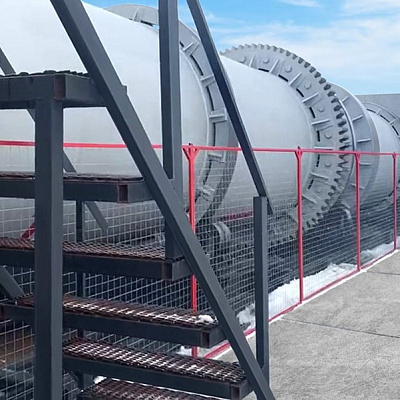
A revolutionary solution for the disposal of tar
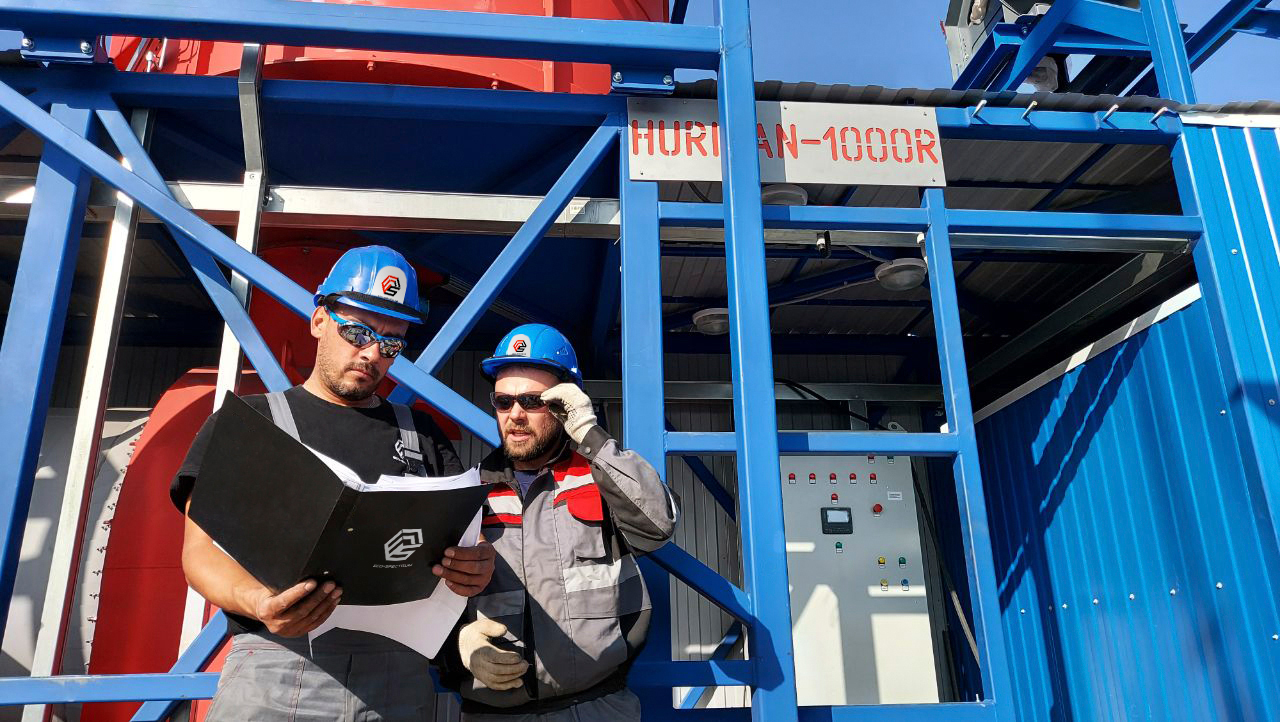
Problems of tar processing
The problems of processing acid tar directly depend on the instability of the composition and physico-chemical properties. Various chemical and physical interactions occur in their mass, such as isomerization and sulfonation. Sulfuric acid under the influence of sunlight passes into a bound state with mineral, as well as with organic compounds.
Some difficulties of oil sludge disposal:
- Diverse and complex chemical composition. Some fractions are almost impossible to burn or recycle easily.
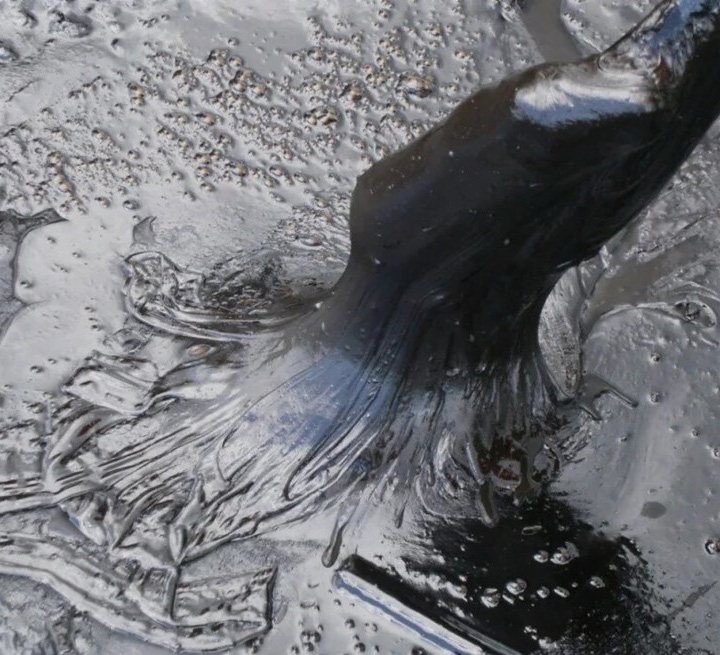
- Acid tar is a thick viscous paste-like mass, in its physico-chemical composition, it consists of petroleum products, water and mechanical impurities.
- Waste of the 3rd class of danger is prohibited for burial.
Engineering tasks
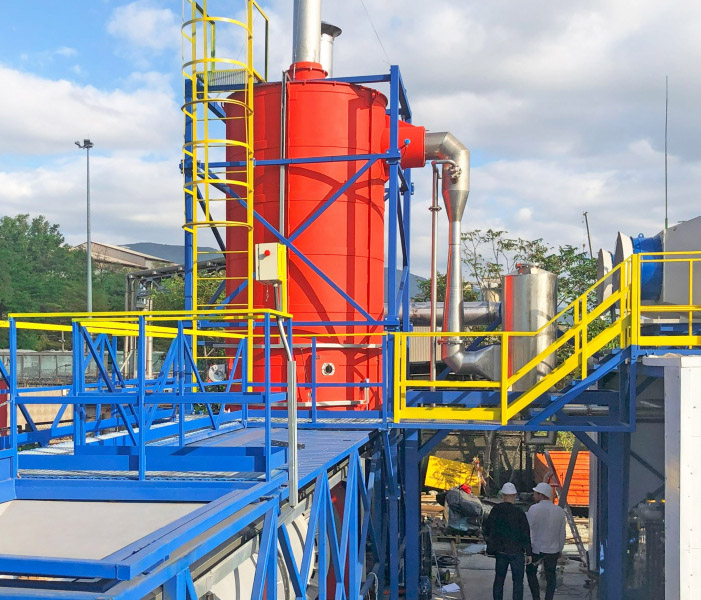
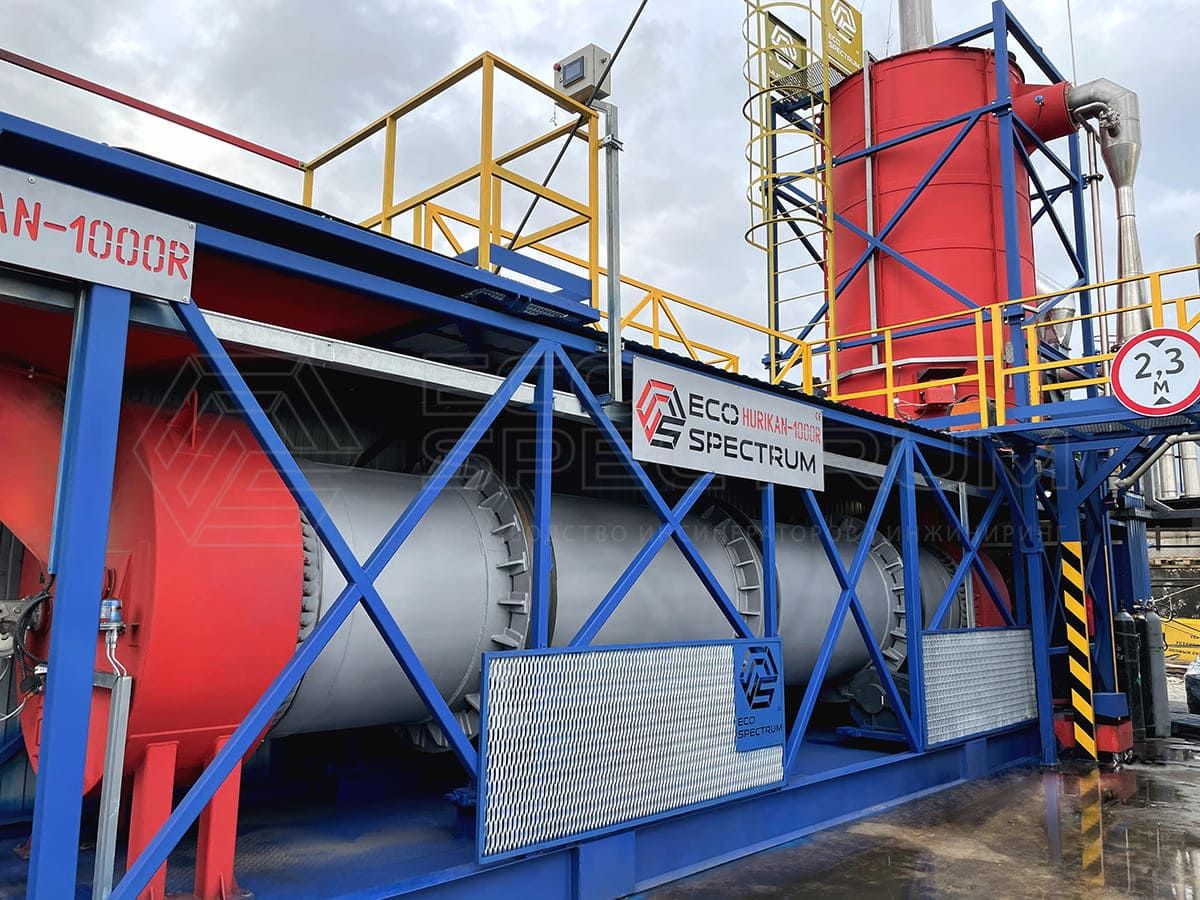
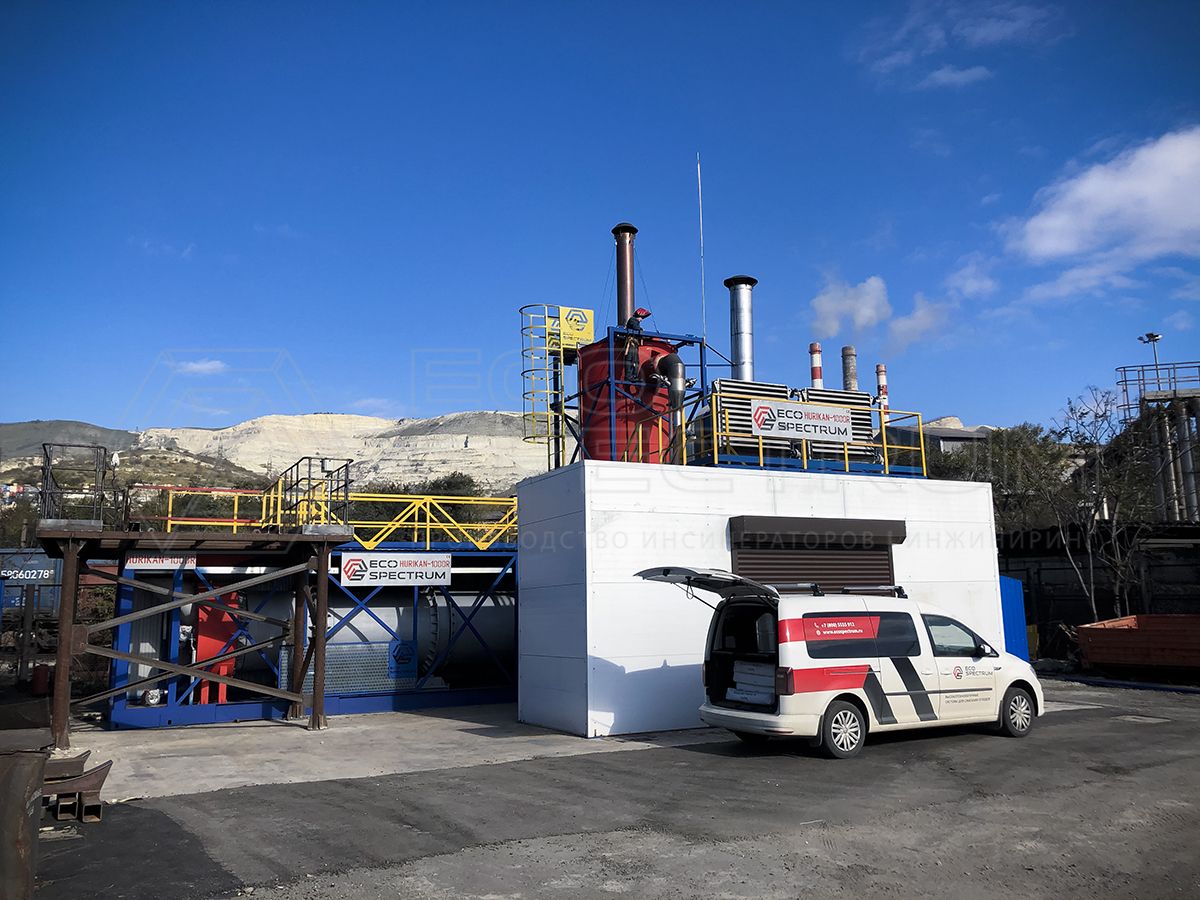
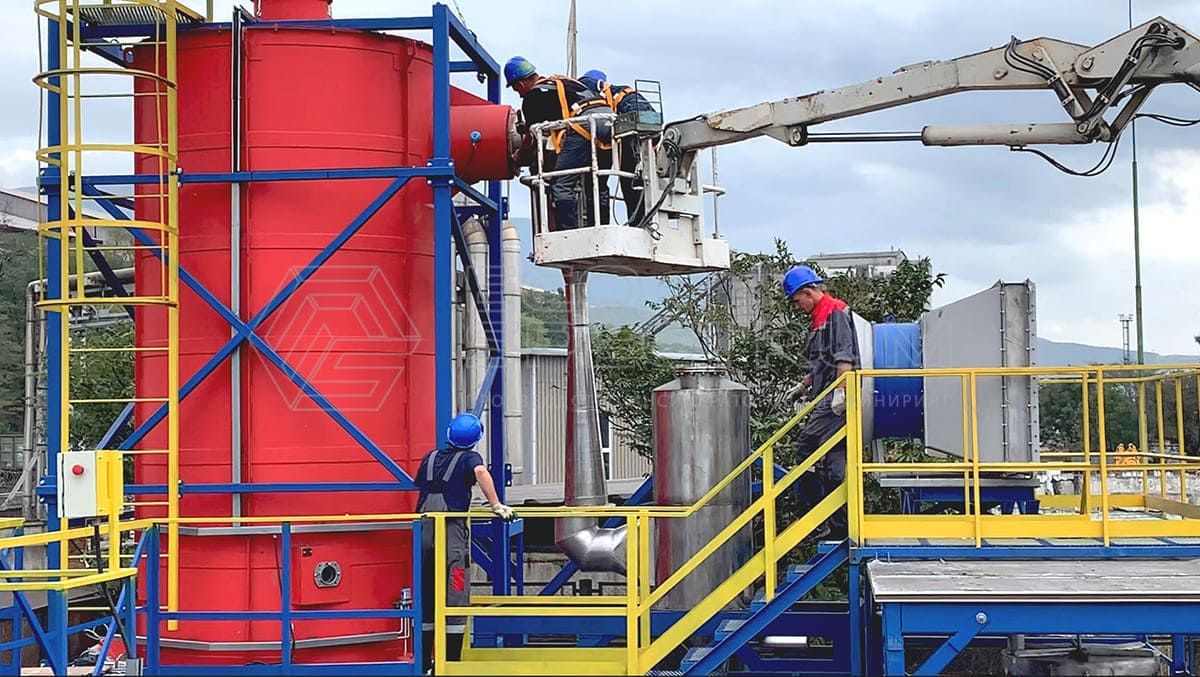
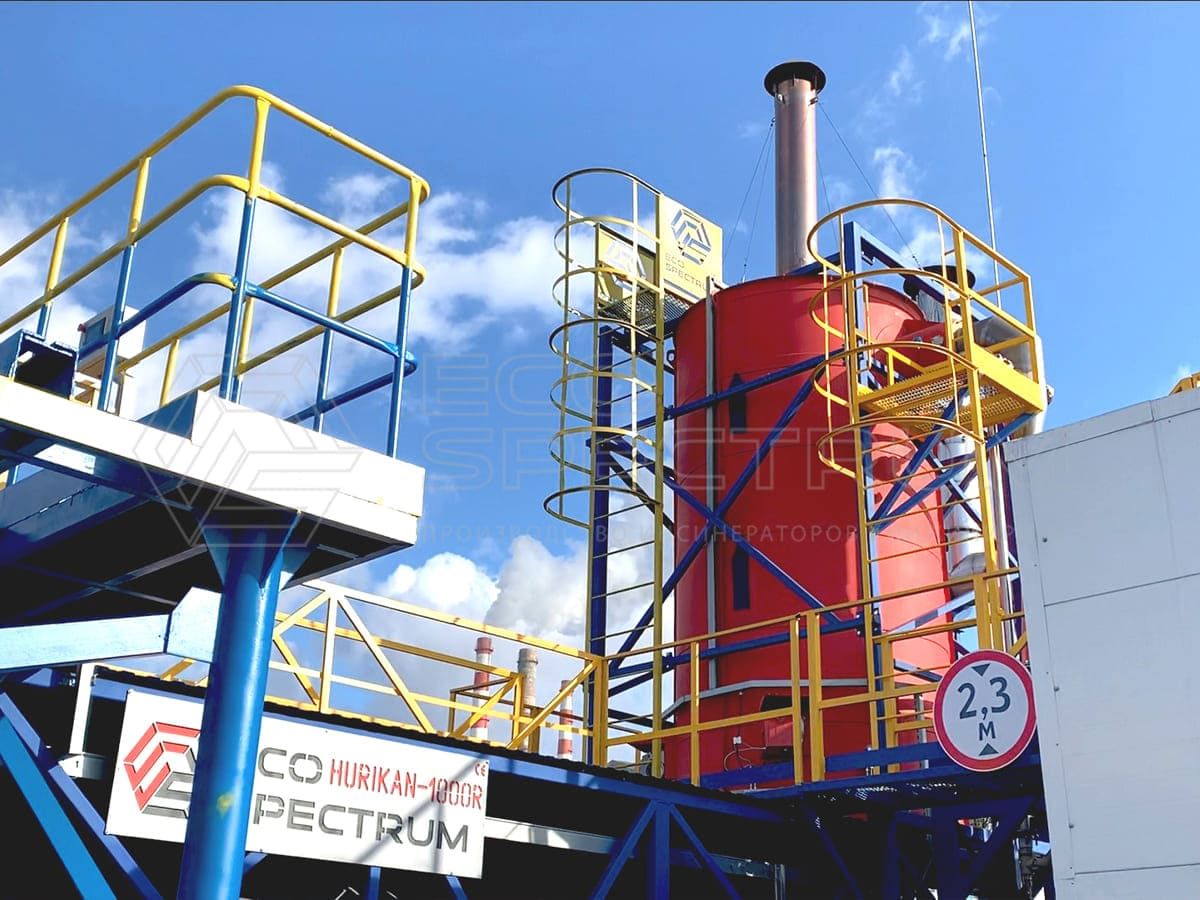
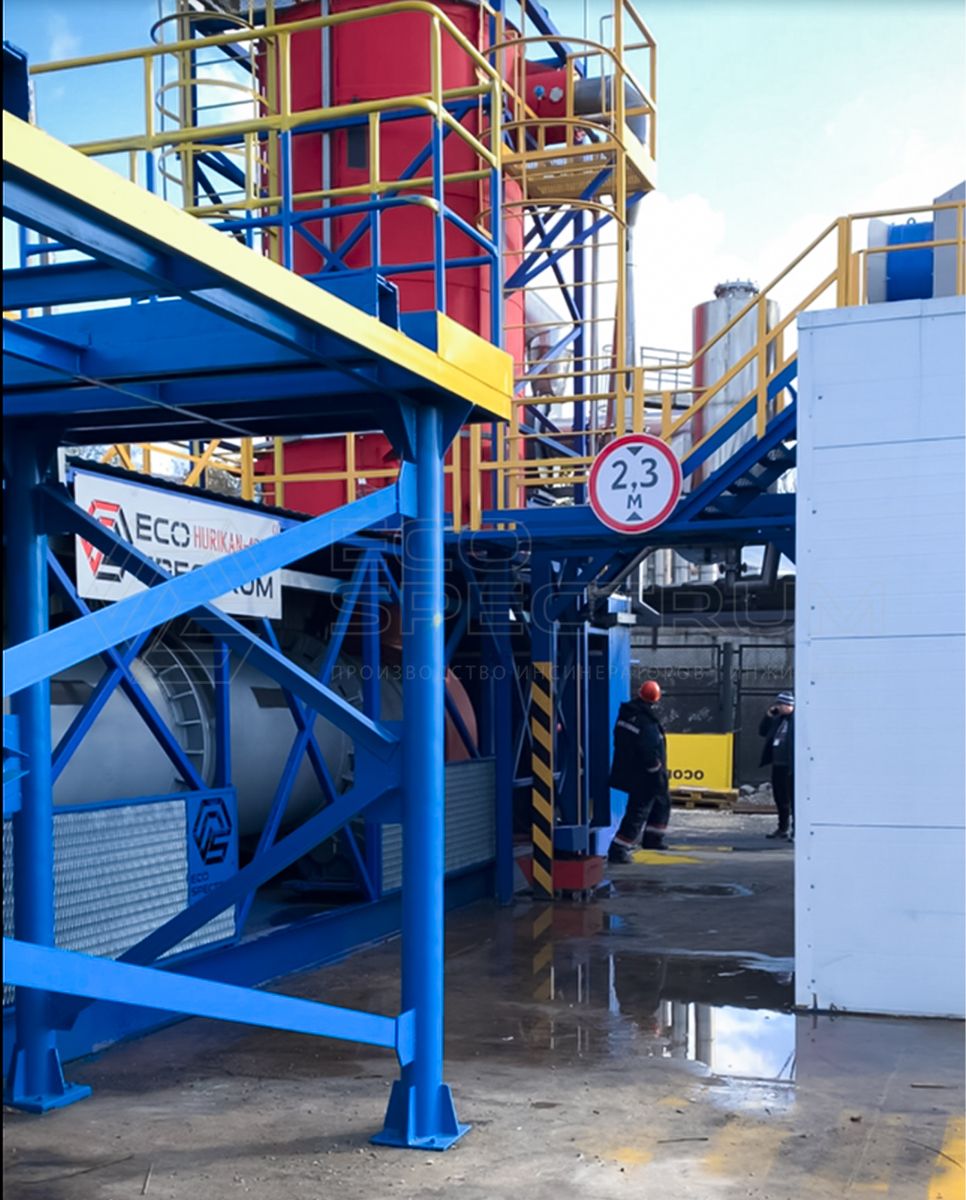
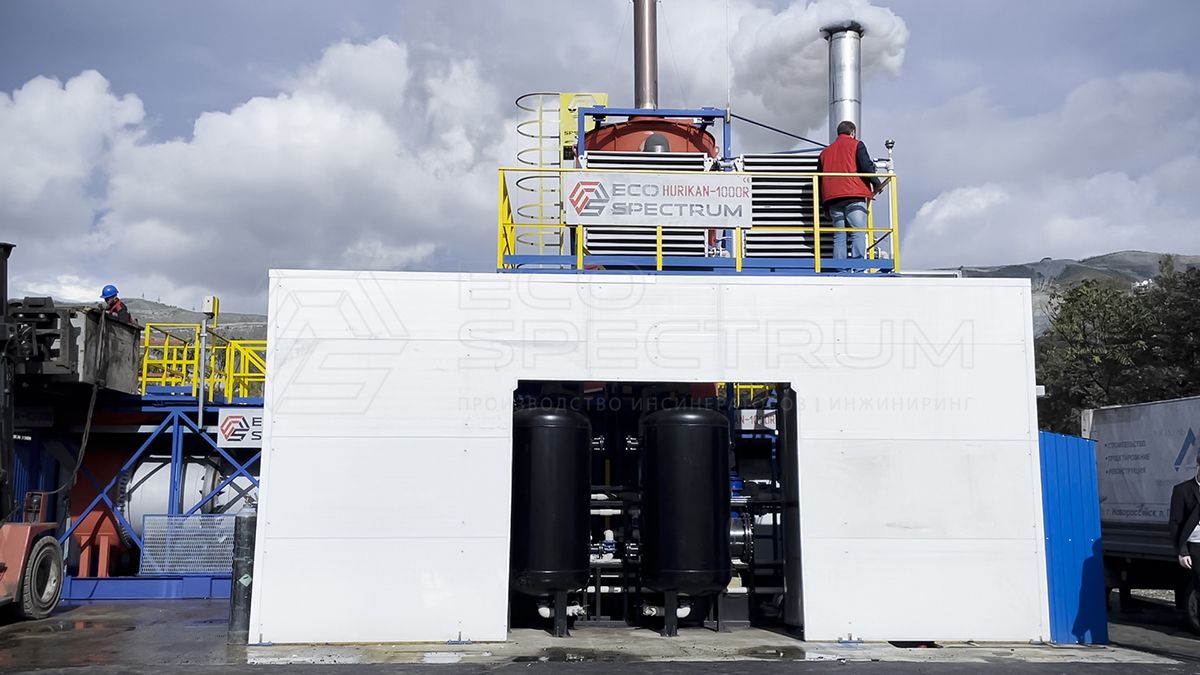
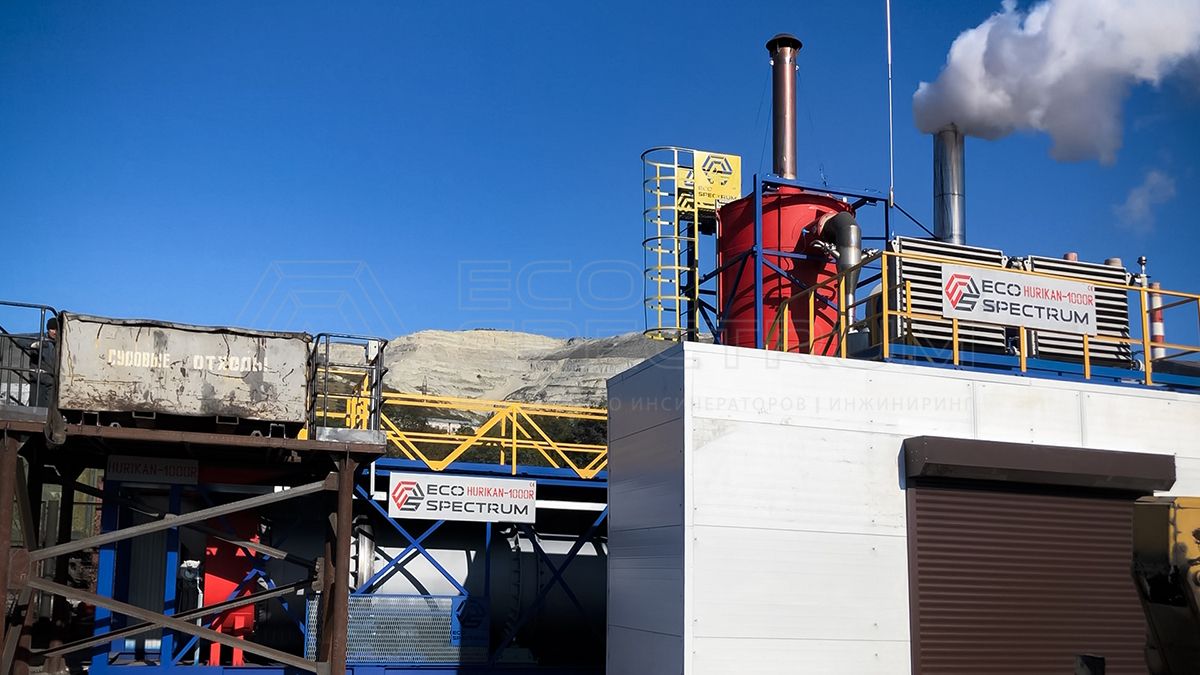
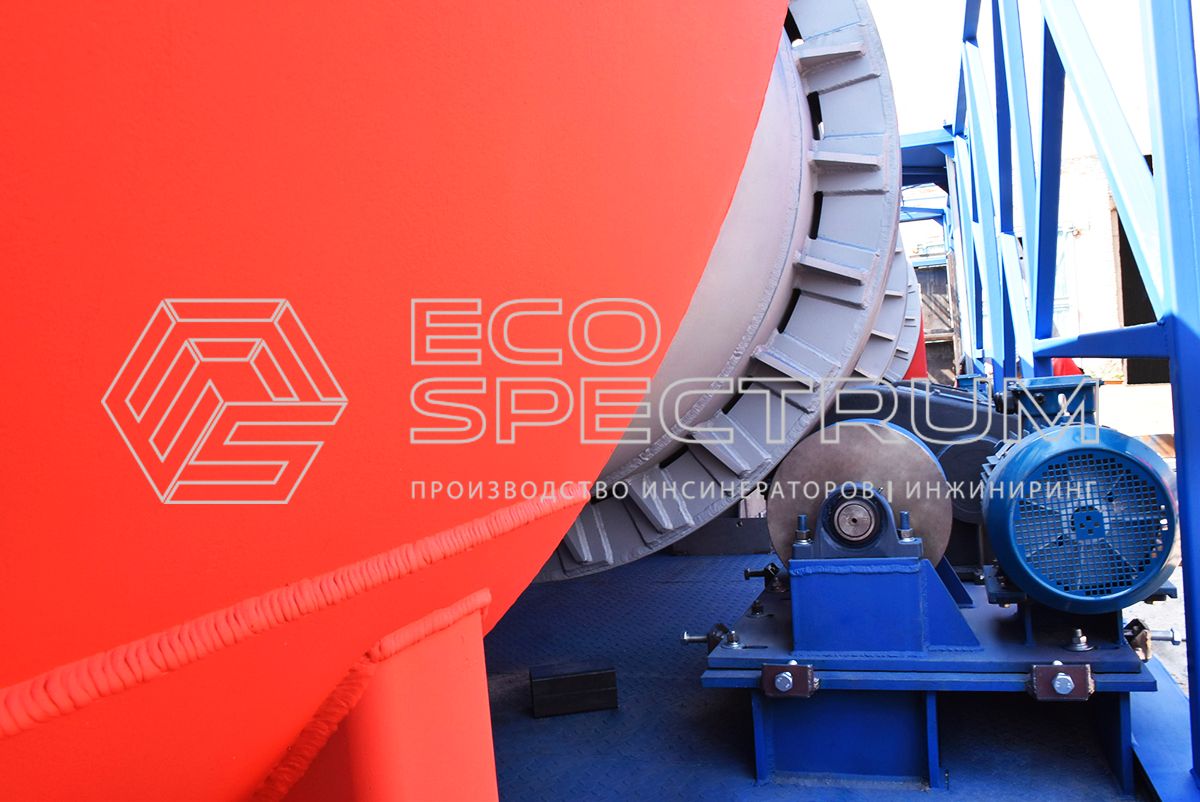
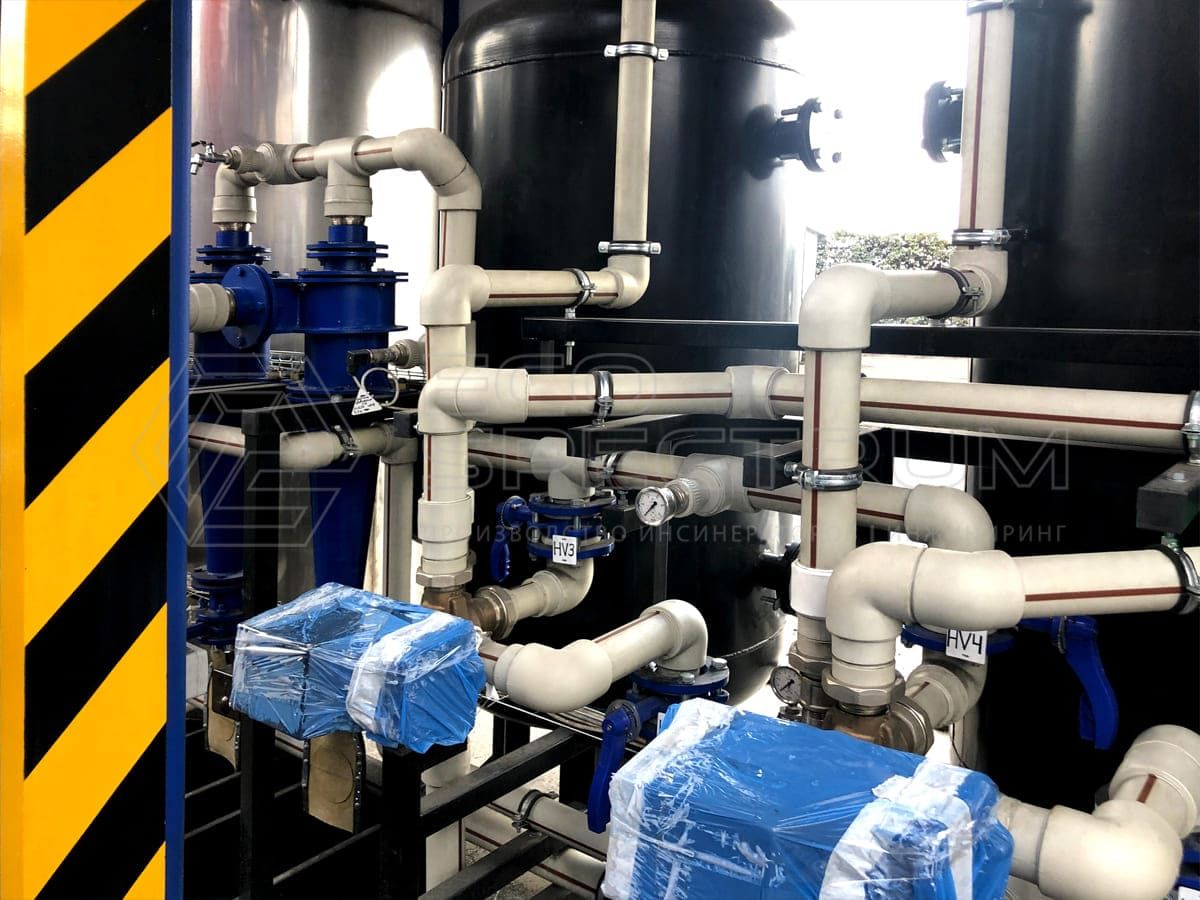
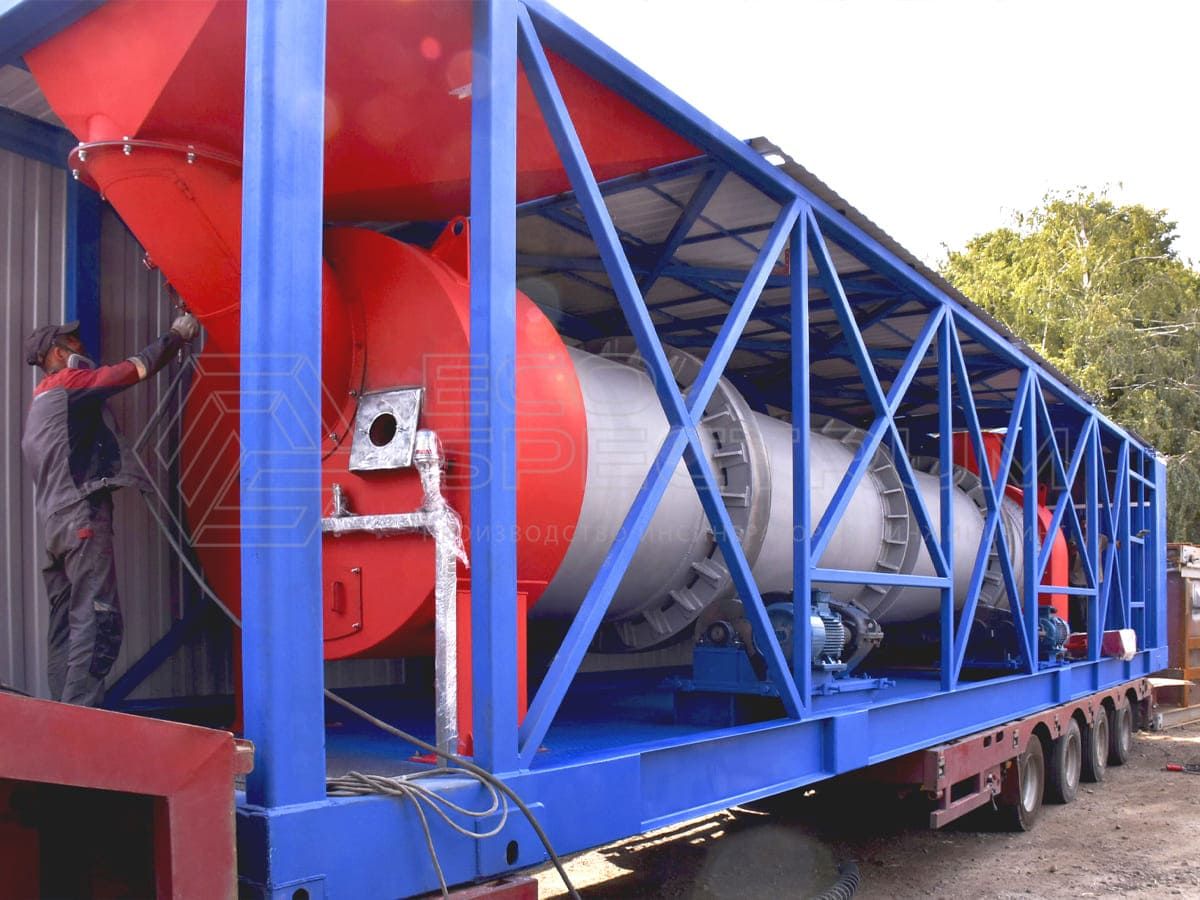
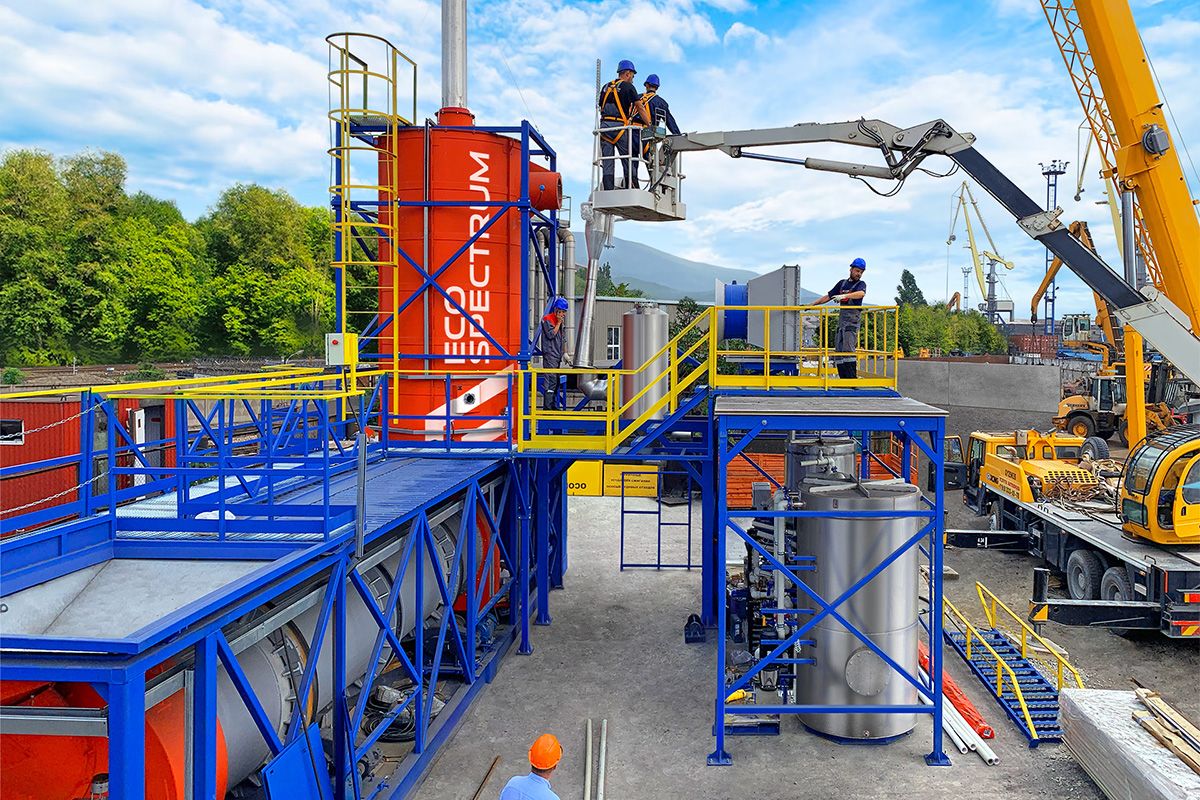
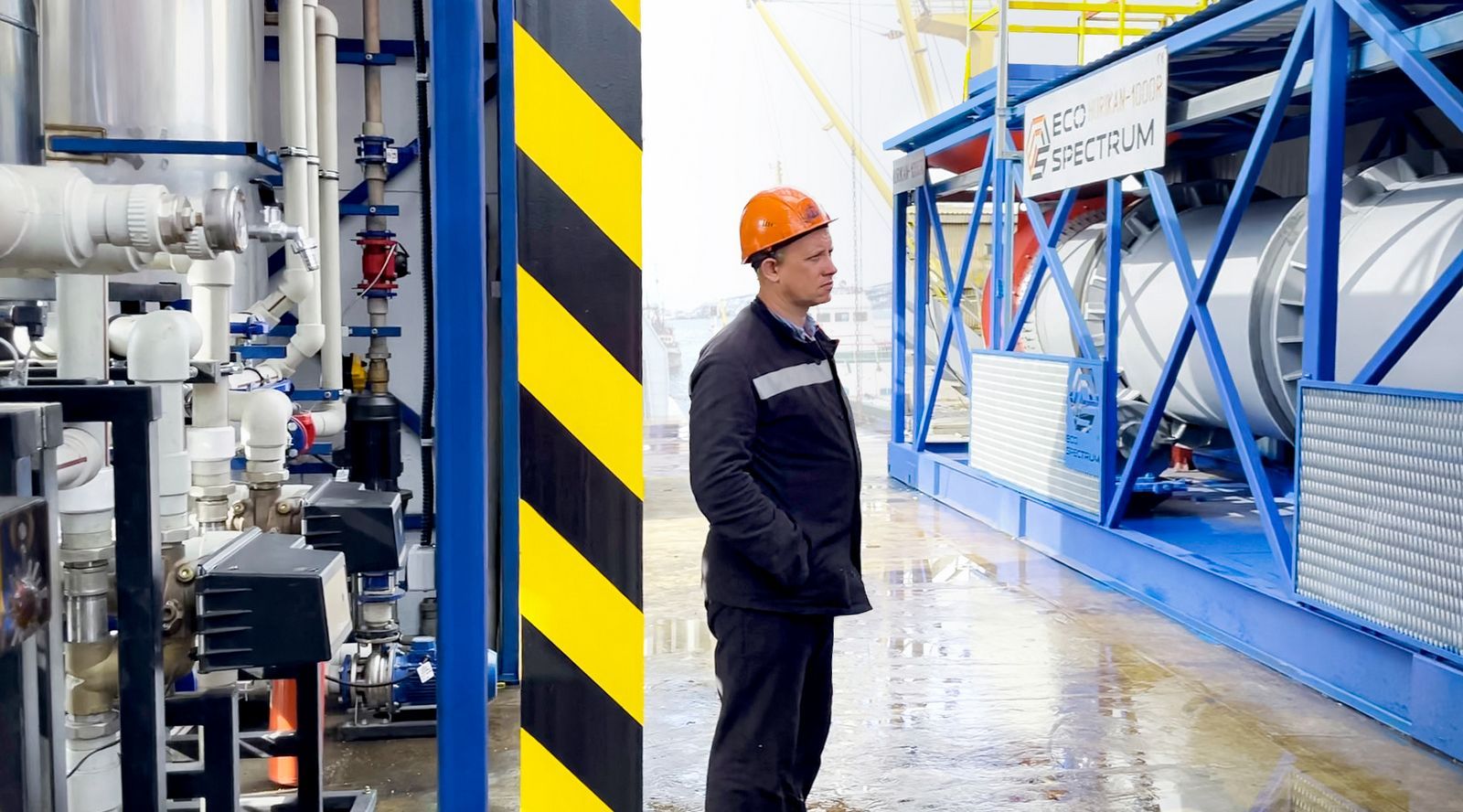
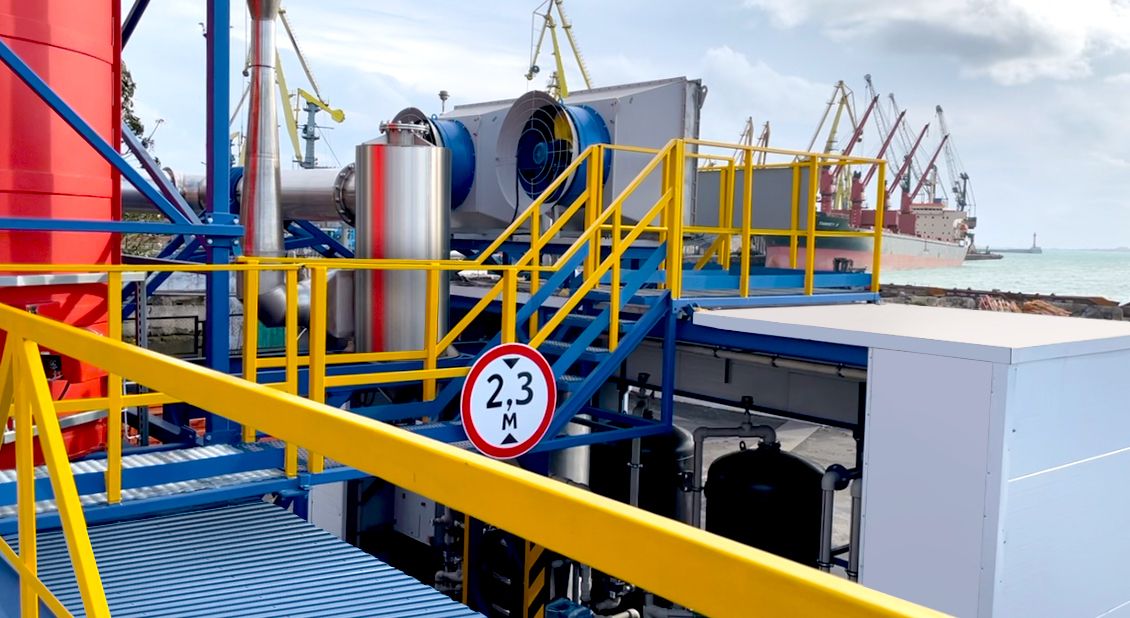
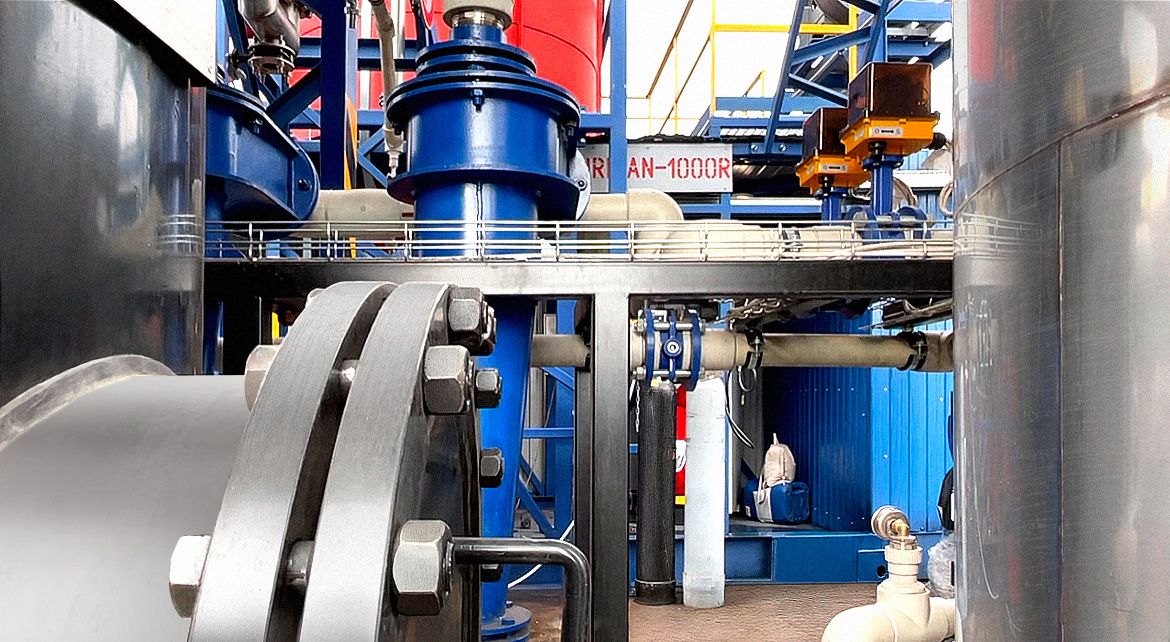
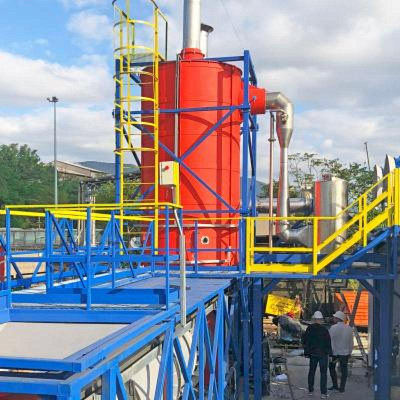
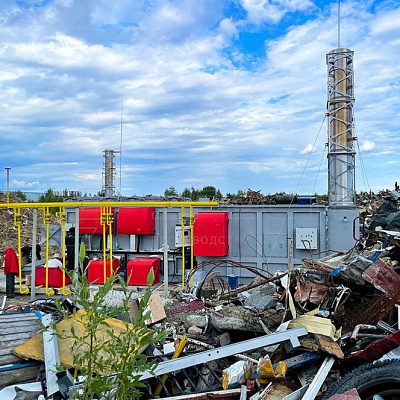
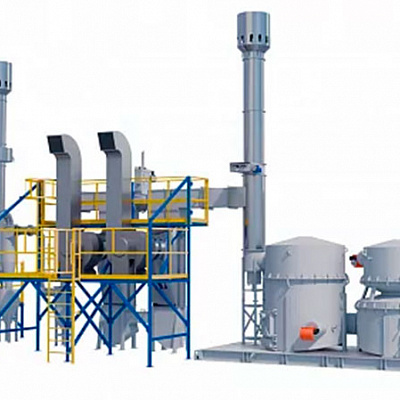
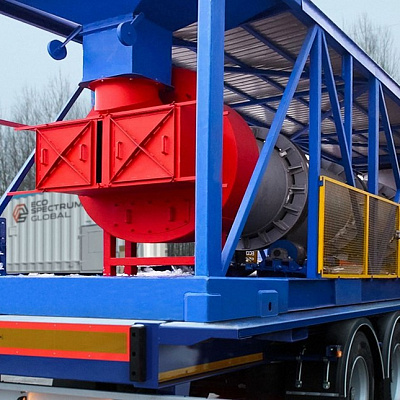
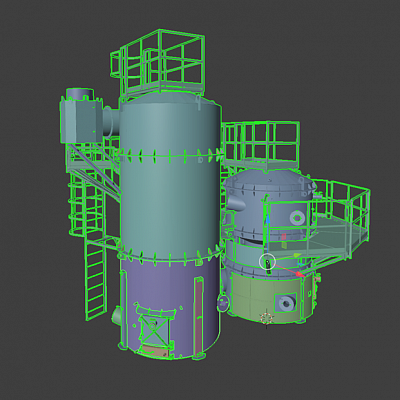
To create innovative solutions and a new design of a complex for the thermal neutralization of complex chemical wastes with high caloric content, viscosity, and heterogeneous composition, Eco-Spectrum tested an experimental sample on acidic tar. Tasks of test burning of an experimental sample of acid tar:
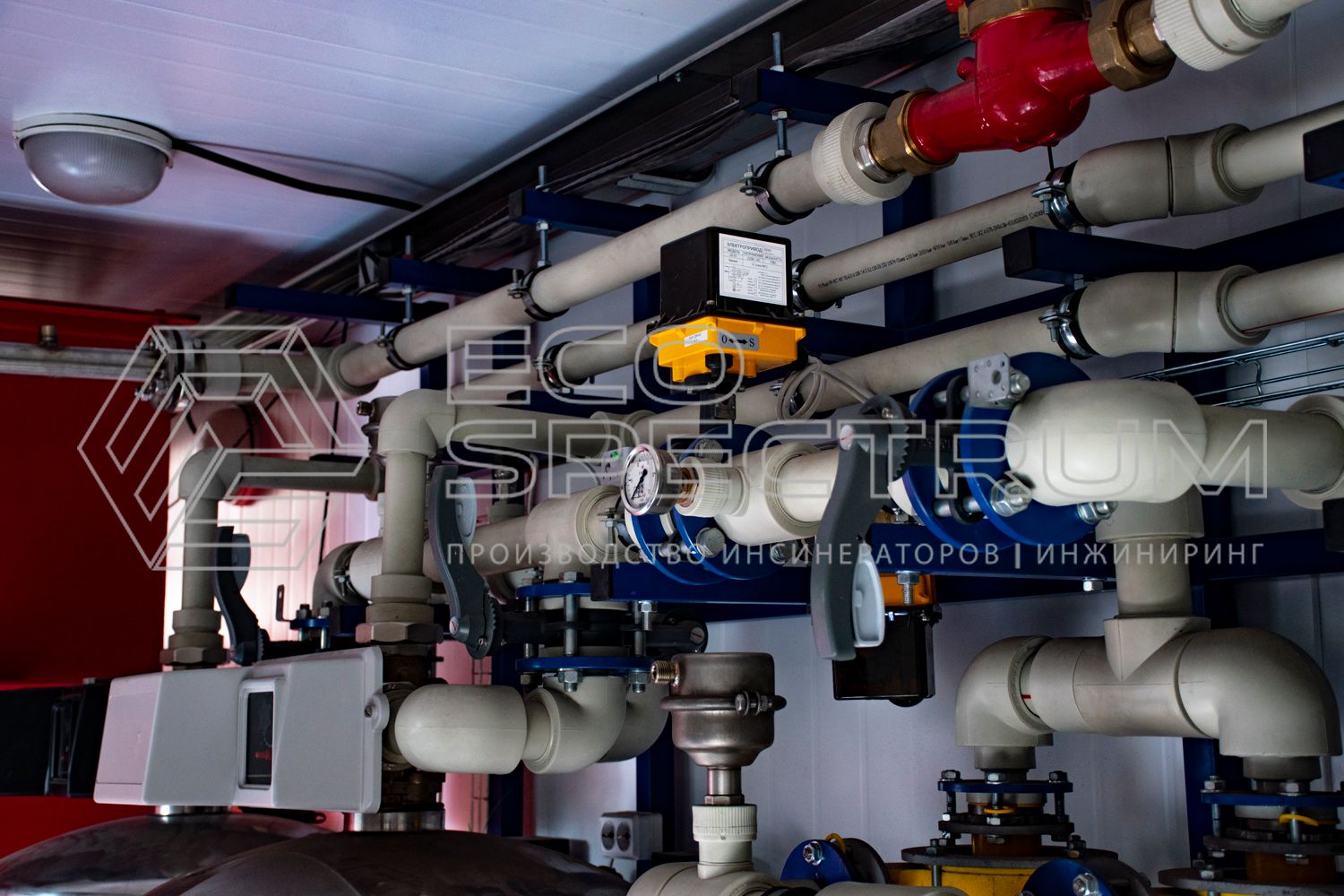
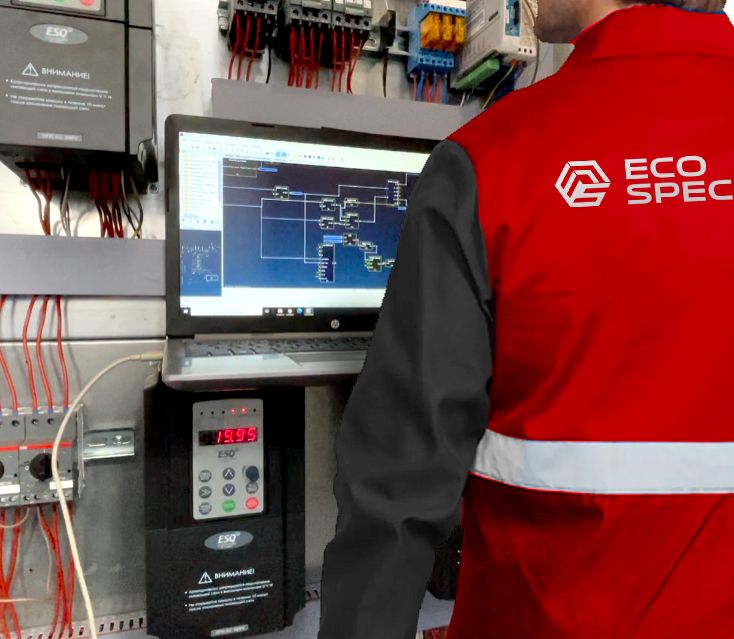
- Testing of the heating system and the automatic adjustable supply of heating oil to the process plant;
- A selection of the technological, including temperature, operating conditions of the HURIKAN 200R experimental installation;
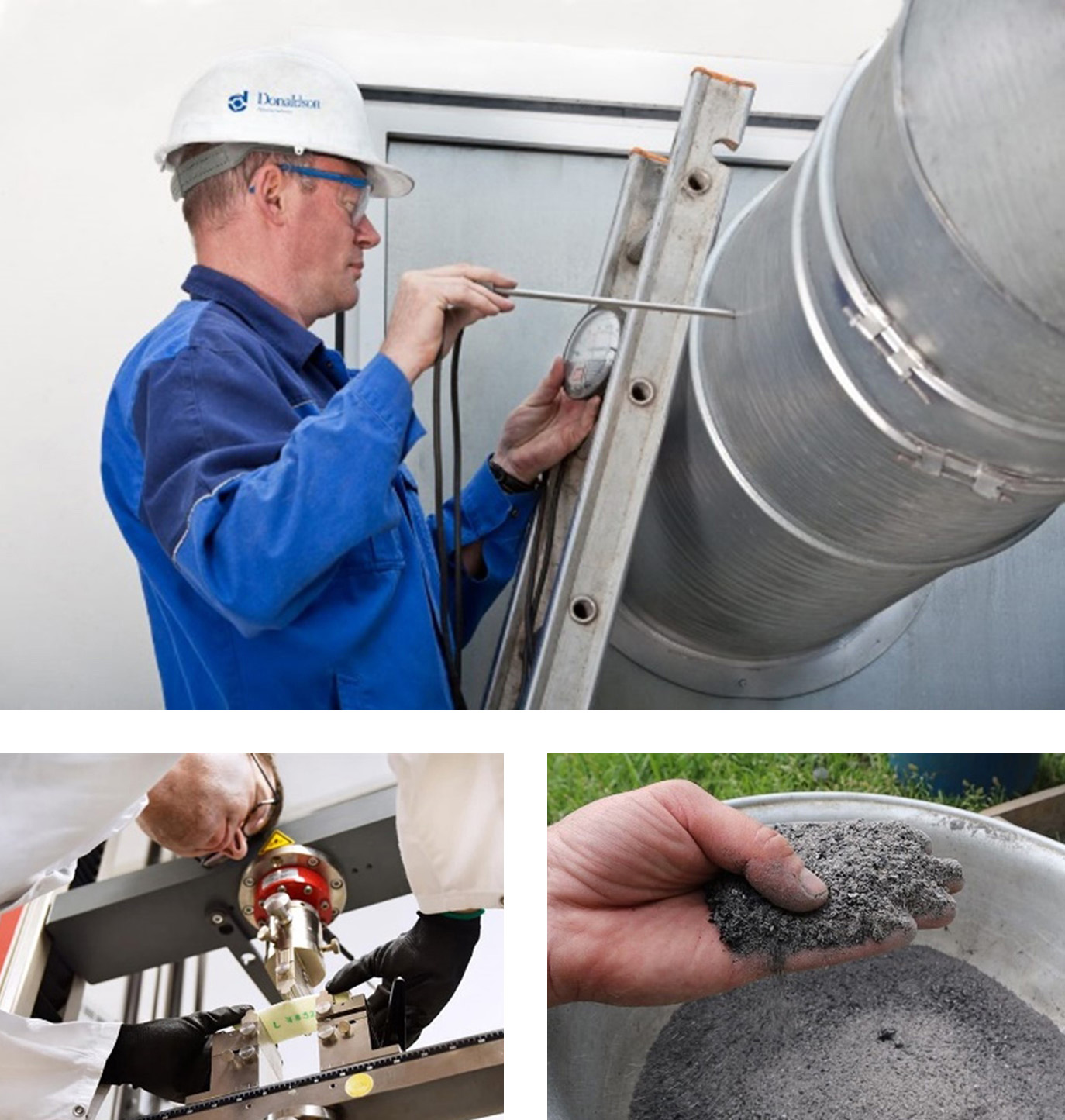
- Investigation of the mass and composition of the resulting ash residue;
- Instrumental measurements and studies of volume and the quality of flue gases for the selection of an effective system of gas cleaning equipment.
Product results
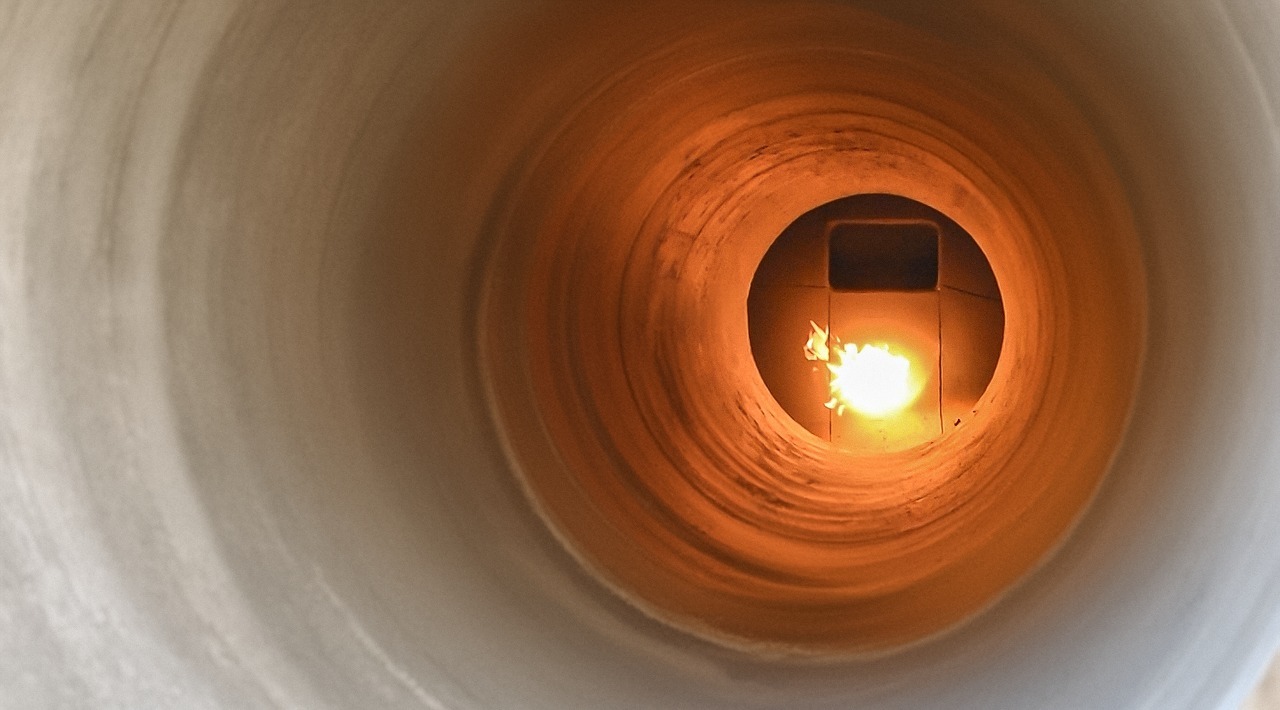
According to the results of the experiment, it was found that the process of thermal exposure to waste is accompanied by the release of a significant volume of flue gases with high concentrations of suspended solids, heavy metals, sulfur dioxide, soot with low ash content of the mineral residue.
- An innovative approach to the selection of GO and reagents has been developed, capable of ensuring the quality of emissions within the limits of technological indicators.
- The method of high-temperature thermal decomposition at 750-1250 ° C of acid tar is based on dissociation reactions of sulfuric acid at 400 ° C and above and dissociation of sulfuric anhydride at 1250 °C.
- This method is energy-intensive, while it is characterized by a high degree of decomposition and the possibility of using decomposition products and the released energy.
- Several types of heat exchange devices for heat recovery and waste heat removal have been developed.
- During the tests, energy consumption, fuel consumption, electricity, reagents, etc. readings were taken. Operating modes were determined, the combustion rate was determined, the ash content, ash quality and hazard class were determined, and the cost of thermal waste disposal was calculated.
Test results and search for solutions
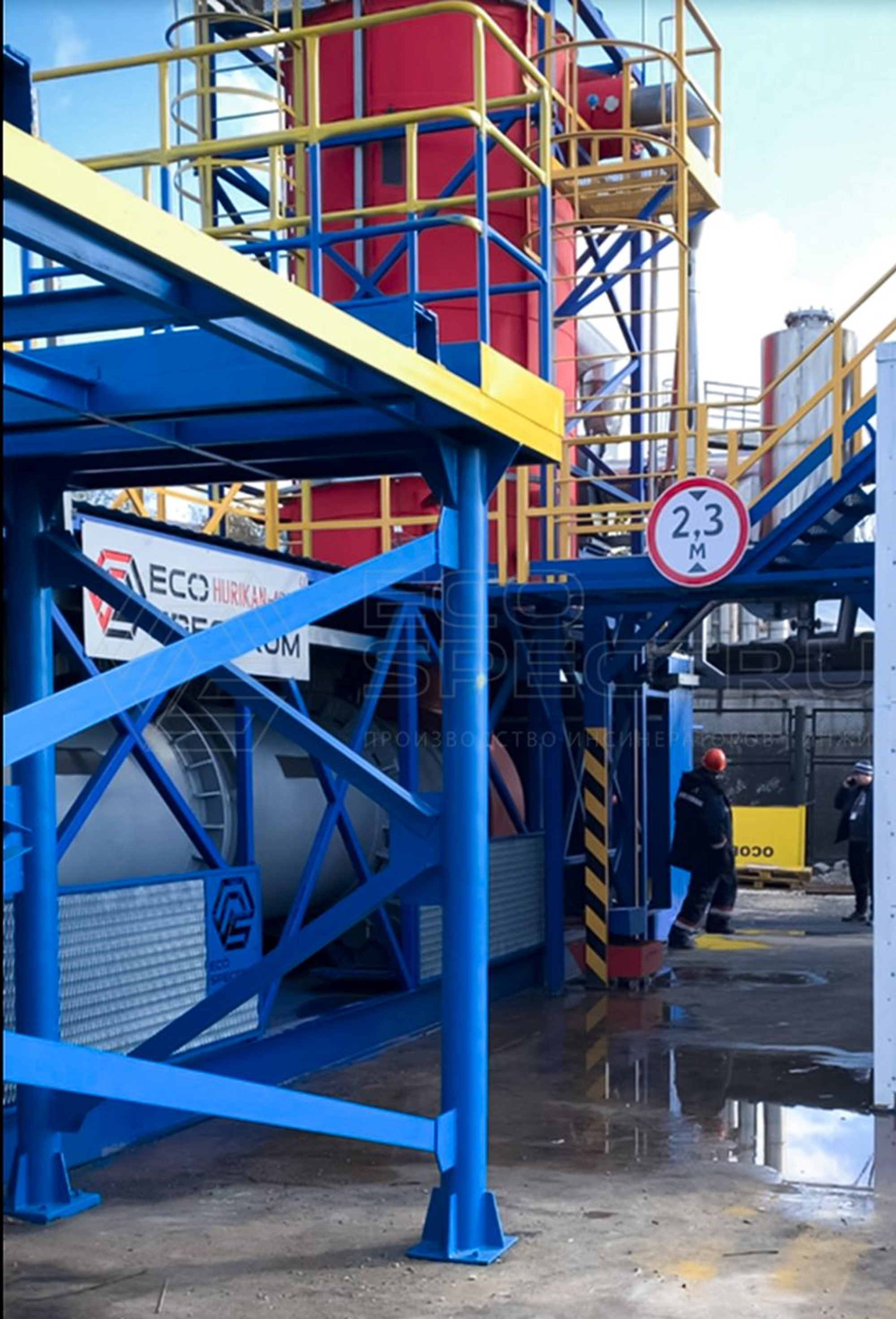
The test result confirms the possibility of reducing the hazard class from III to IV, reducing the volume, the possibility of obtaining heat (WMP) from the thermal disposal of tar, and data have been obtained that are used to compile a feasibility study with an economic justification and proof of environmental effectiveness.
To fully understand the composition of the emission gases, we hired an independent accredited company to study the feasibility of the gas purification system, its composition, and the required reagents to bring the concentrations of pollutants to normal in accordance with the requirements of environmental legislation.

Kremlev Denis Sergeevich
SALES DEPARTMENT ENGINEER
d.kremlev@ecospectrum.ru
8-800-555-59-12 (ext. number 121)

Other projects
Disposal of tar
Disposal of filtrate
Disposal of liquid waste from silicon wafer cutting
Disposal of sludge from biological treatment plants
Disposal of construction waste
Waste disposal of thermal power plants, thermal power plants, BOILER houses
Medical waste disposal
Disposal of coke chemical waste