


Ваша заявка принята!
Наш менеджер свяжется с Вами
в течение 2 минут!
Рабочее время 8:00-17:00 (МСК)
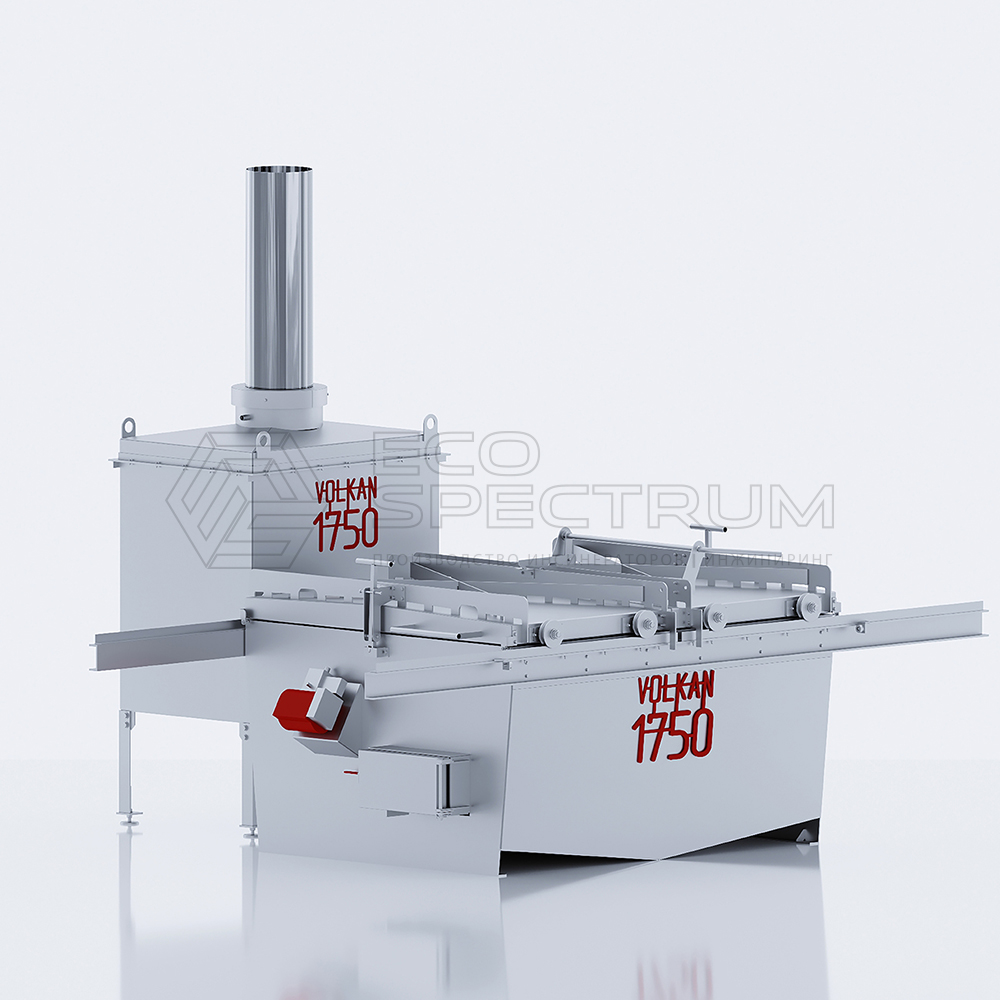
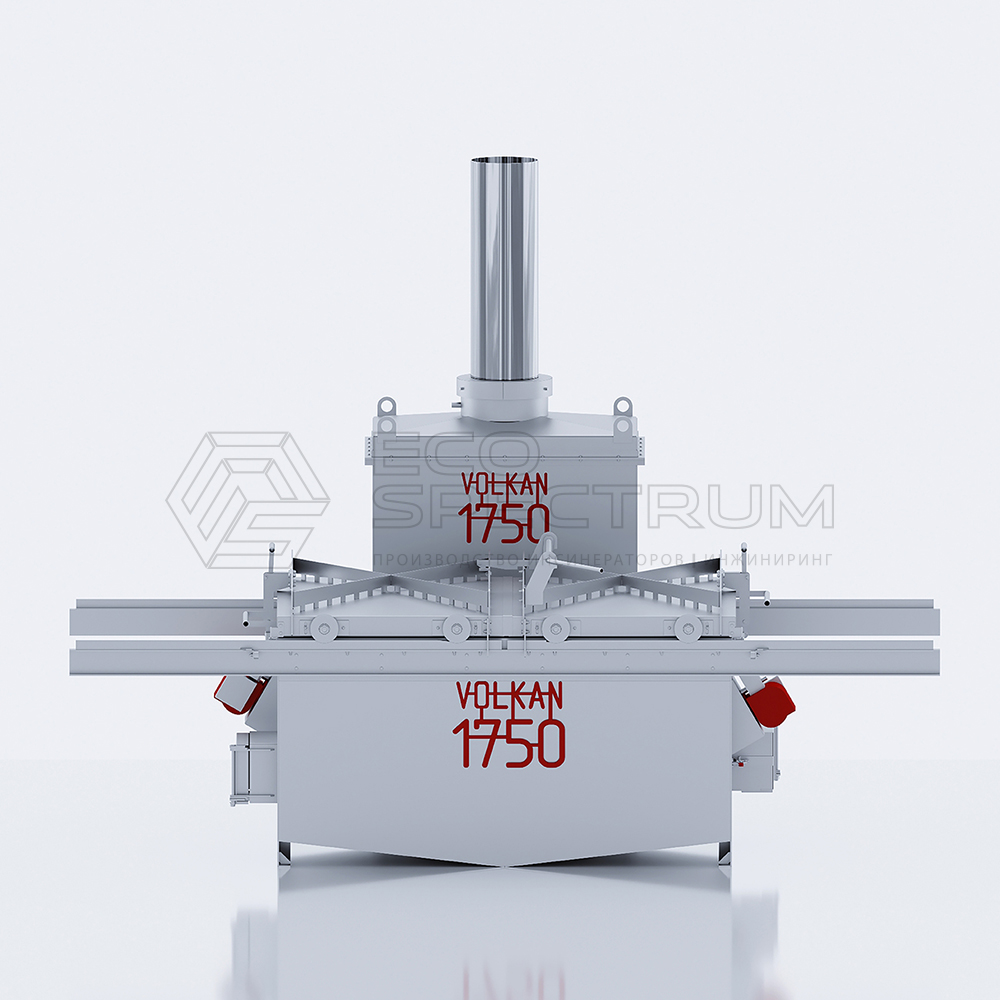
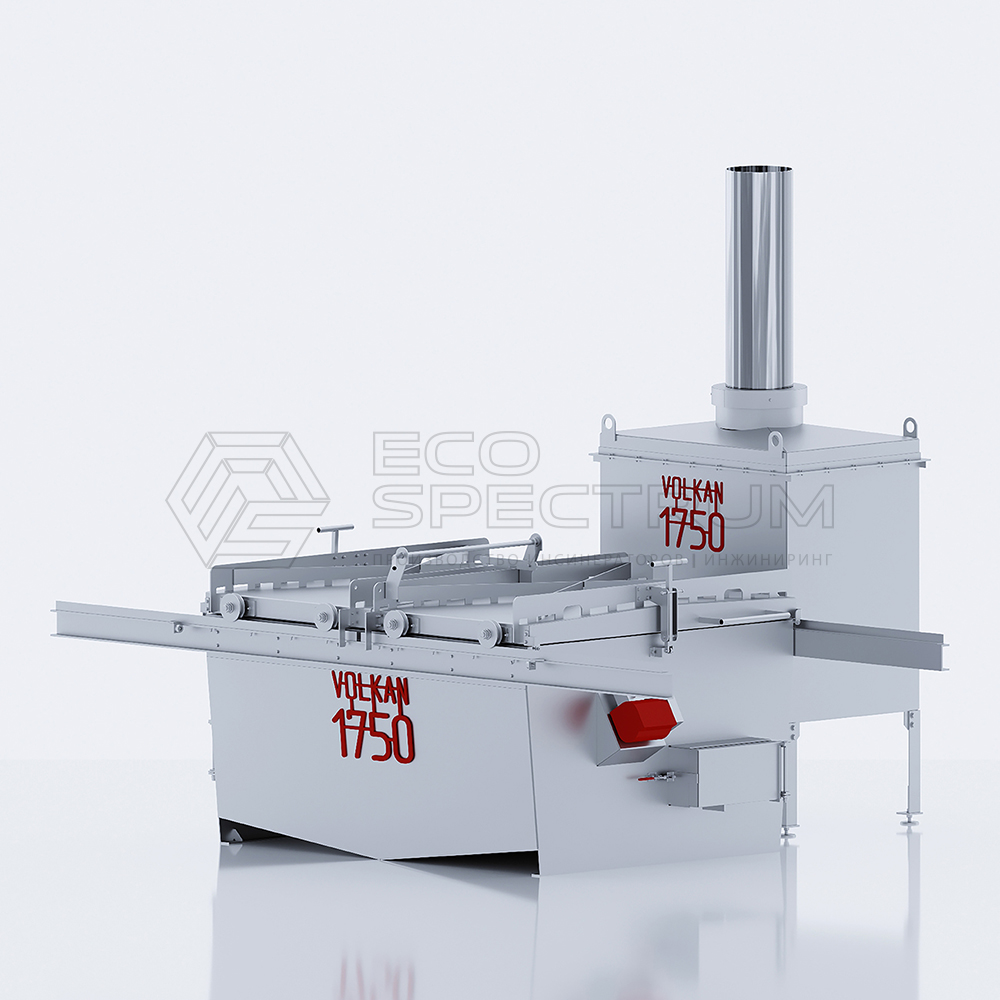
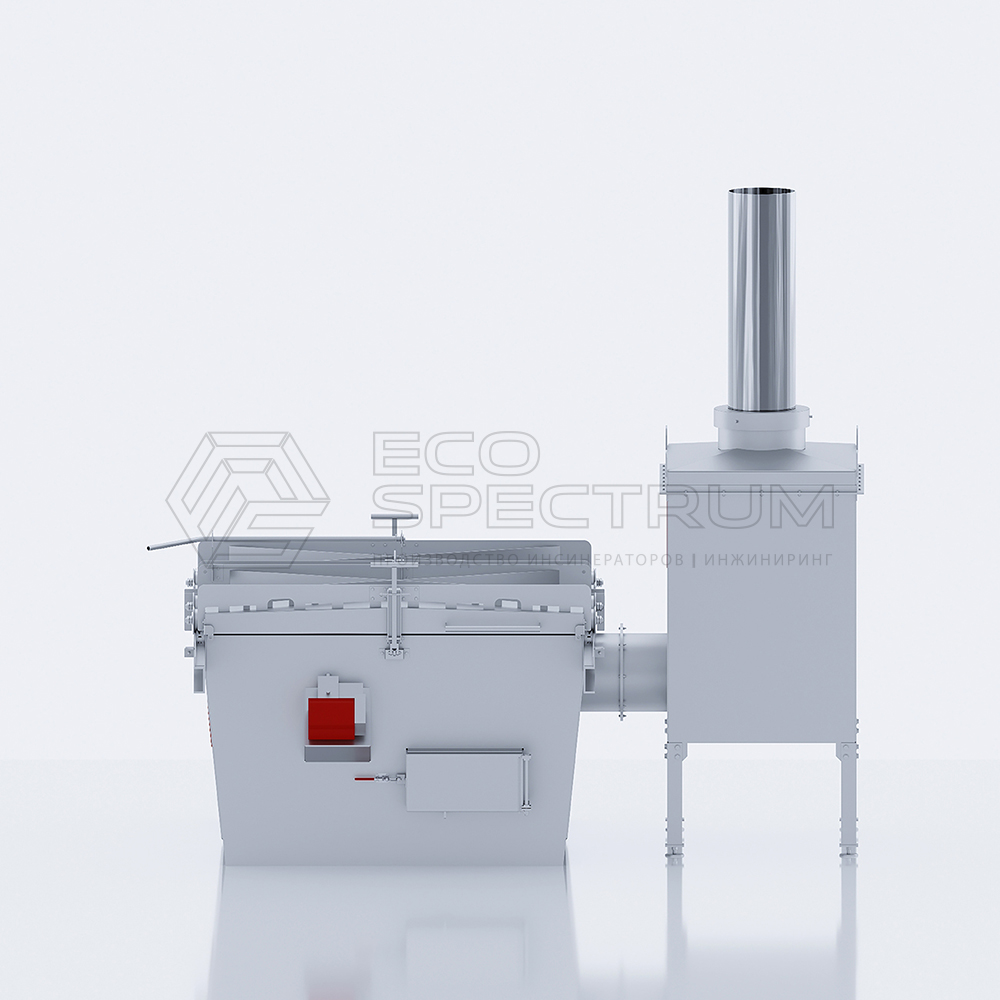
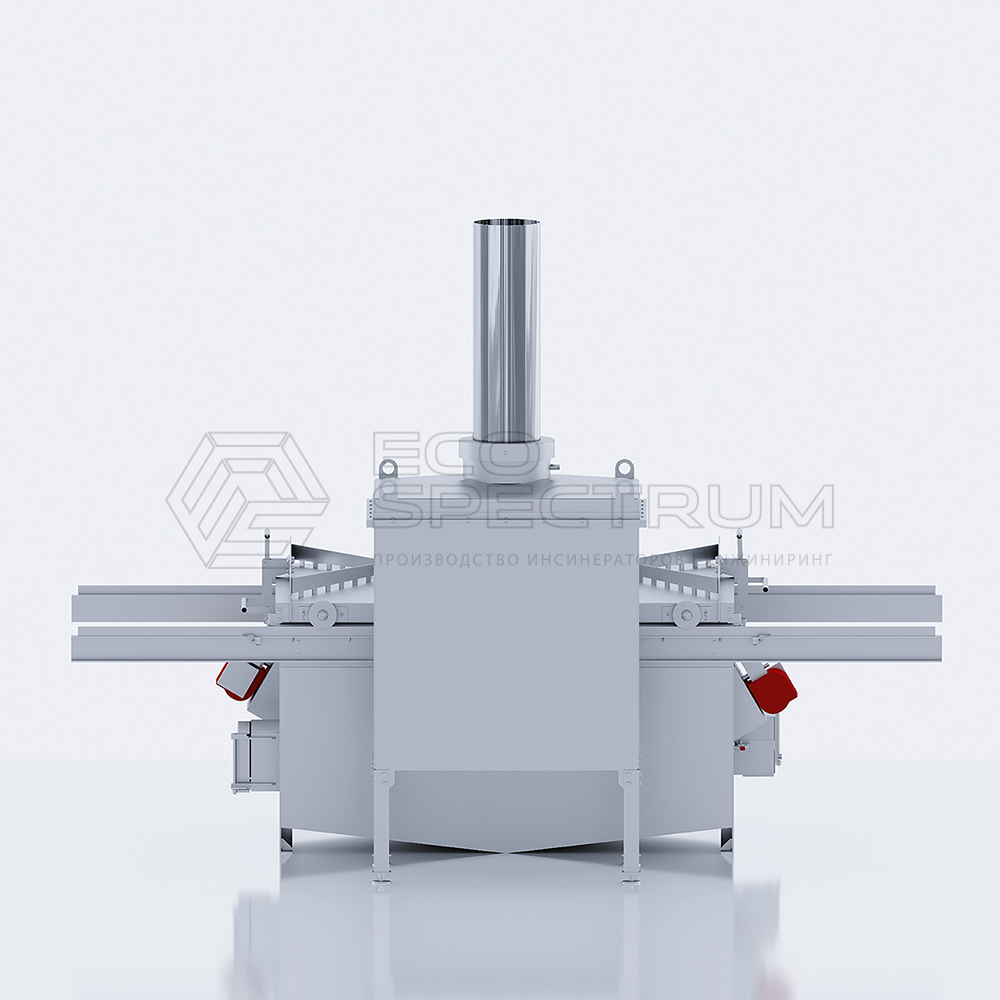
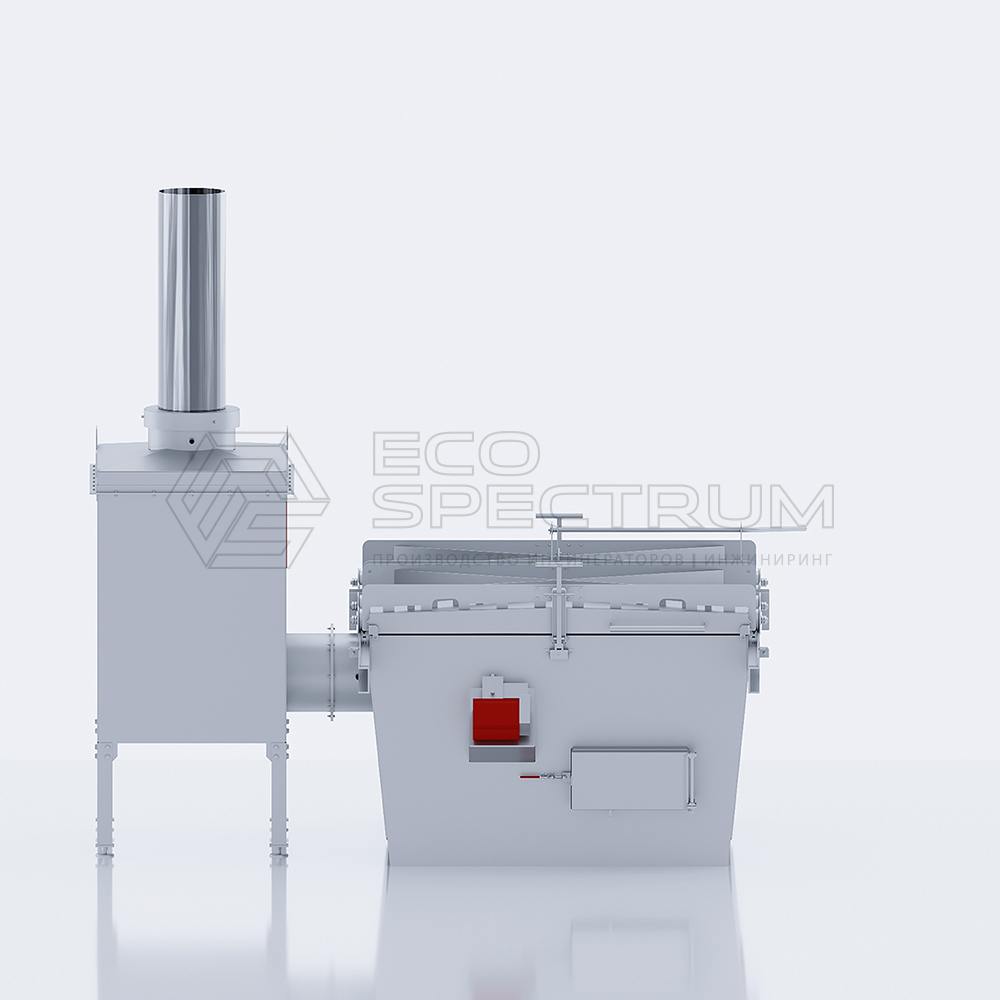
Availability of the State Environmental Expertise (SEE) for 4700 types of waste.
 Mobile Installation
 Heat recuperator
 Waste loading
 Gas cleaning system
Disposal of production and consumption waste, biological and medical, as well as oil sludge


The lever pusher of the lid allows you to open it with minimal effort due to its mechanical advantage. The mechanism is fixed during transportation and operation, eliminating damage and unauthorized access.


The stiffeners distribute the load, increase the strength of the lid and allow it to withstand thermal and mechanical stresses. This prevents deformation, gas leaks and increases the service life.


The rail system ensures smooth displacement of the lid, simplifying waste loading. The ability to adjust the width of the loading window increases flexibility. Smooth closing without slamming reduces loads and increases service life.


The ergonomically designed locking handle makes it easier to open and close the door, increasing comfort and safety. Reliable clamping and sealing reduce the risk of accidents and injuries.


The combined incinerator cover combines concrete blocks for durability and lightweight materials for weight reduction. Dampers prevent damage when closing, and the design facilitates operation.


The cable duct protects the wires from atmospheric influences, prevents corrosion and insulation damage, increasing the service life. It reduces the risk of injury and accidents, and hides cables, reducing the chance of tangling and tripping.


The canopy over the burner prevents it from melting and protects the fan from dirt and dust. The IP 65 sensor housings provide protection from dust and moisture, reducing the risk of blockages and damage, which increases system reliability.


The slope of the bottom of the combustion chamber collects liquids in the center, preventing their accumulation in the corners and improving their evaporation and combustion. The gable shape promotes uniform heat distribution and more efficient waste combustion. Gorenje


The control panel on the housing provides quick access to the controls. The PLC automatically processes data from sensors and, when the set temperature is reached, stops supplying fuel, but continues to supply air to maintain gorenje.


The lining made of high-quality materials ensures durability and resistance to overheating. The ceramic plate protects against heat loss, and the concrete layer on the anchors prevents deformation at high temperatures.


MECHANIZED LOADER LOADING
The loading window provides free loading of waste. The front entrance is not obstructed by the incinerator elements, which allows the equipment to drive up close to the camera.
AUTOMATED BUCKET LOADING
Removable buckets are easily attached to the loading mechanism and tip the waste into the chamber. They are manufactured taking into account the characteristics of the customer's waste.
Purpose of "VOLKAN" series incinerators:

The secondary chamber (afterburner chamber) is structurally cylindrical in shape for optimal gas distribution in the vortex flow. Due to the volume, the gas exposure in the chamber is at least 2 seconds, which ensures the neutralization of exhaust gases at high temperature (Air emission thresholds for waste incineration facilities are equivalent to Directive 2010/75/EC of the European Parliament and of the Council of 24 November 2010 on industrial emissions. Oxygen content of more than 6% ensures the neutralization of exhaust gases).
Our specialists examine the technology of equipment operation on different wastes using simulation models in order to select the optimal solution in terms of the processes occurring in the equipment.
Optionally, the secondary chamber (afterburner chamber) can be equipped with a gas monitoring system to determine maximum allowable concentration.

Our own developed lining technologies make it possible to acquire a high-strength quality product. Thanks to the unique combination of material and installation technology, the lining withstands enormous thermal and dynamic loads. Monolithic lining with the use of an insulating board significantly reduces heat loss, improves performance and prevents heating of structural elements. Reduction of heat loss increases fuel economy while maintaining high temperatures. The equipment meets industrial safety requirements.

Рабочее время 8:00-17:00 (МСК)
Рабочее время 8:00-17:00 (МСК)
Рабочее время 8:00-17:00 (МСК)
Рабочее время 8:00-17:00 (МСК)
Нажимая на кнопку, Вы даете согласие на обработку персональных данных.HURIKAN
VOLKAN
