


Ваша заявка принята!
Наш менеджер свяжется с Вами
в течение 2 минут!
Рабочее время 8:00-17:00 (МСК)
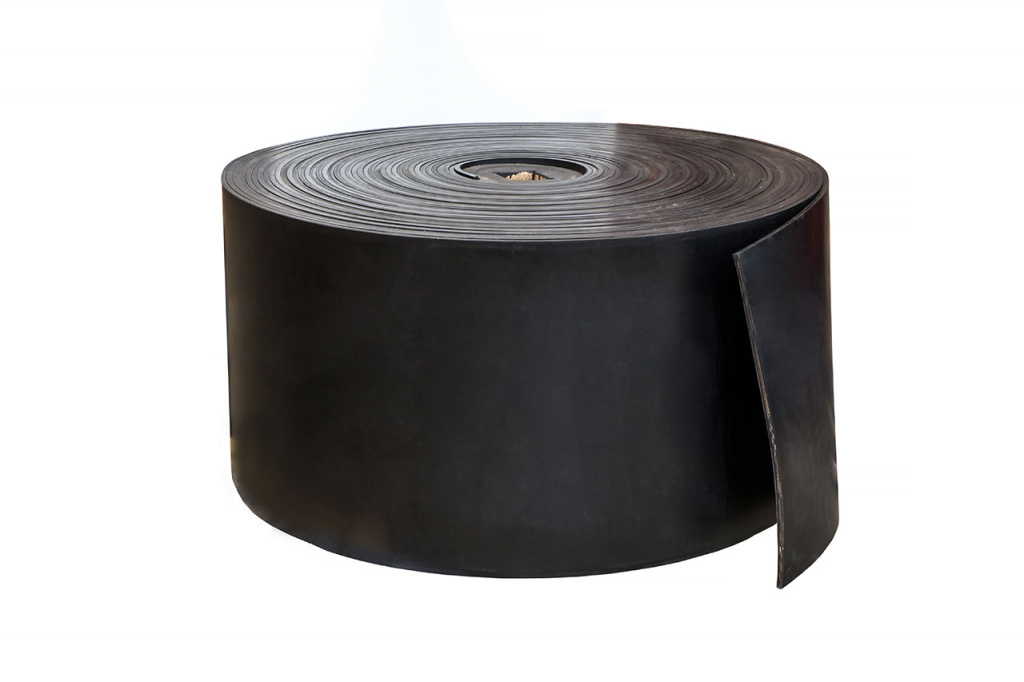
Conveyor belt is an integral part of a conveyor belt, which simultaneously performs the functions of a load-bearing and traction organs. At the same time, such a part is both the most expensive and the most short-lived in the pipeline. The most stringent requirements are put forward for its strength and durability.
The ribbon design has the following layers:
The tape is also equipped with a rubber side, which protects it from delamination and from the ingress of aggressive substances on the main layers.
According to the frame material, conveyor belts are divided into two types:
When choosing a conveyor belt, the following parameters should be taken into account:
Рабочее время 8:00-17:00 (МСК)
Рабочее время 8:00-17:00 (МСК)
Рабочее время 8:00-17:00 (МСК)
Рабочее время 8:00-17:00 (МСК)
Нажимая на кнопку, Вы даете согласие на обработку персональных данных.